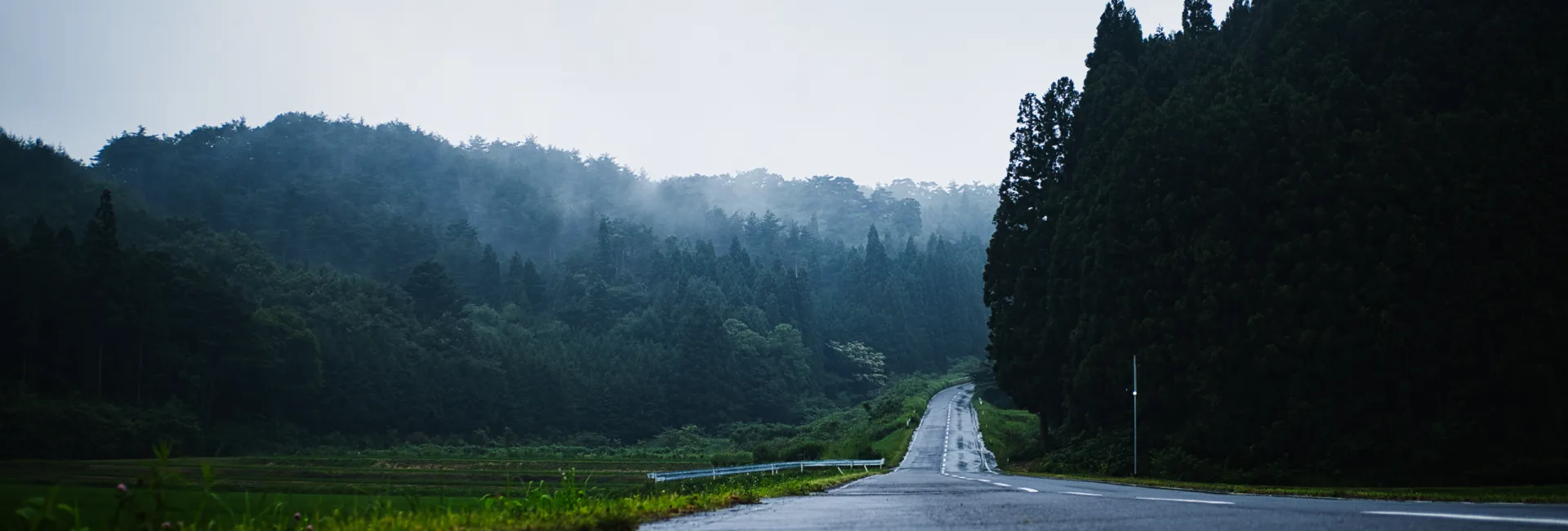
Ask people how a trip went and the weather report comes first. Ask a photographer to show you the best frames from the same trip and a strange thing happens: the good ones are nearly all from the days that were described as bad.
This is not a coincidence and it is not contrarianism. Clear blue sky is the least interesting light there is, because it is the most common and the least selective.
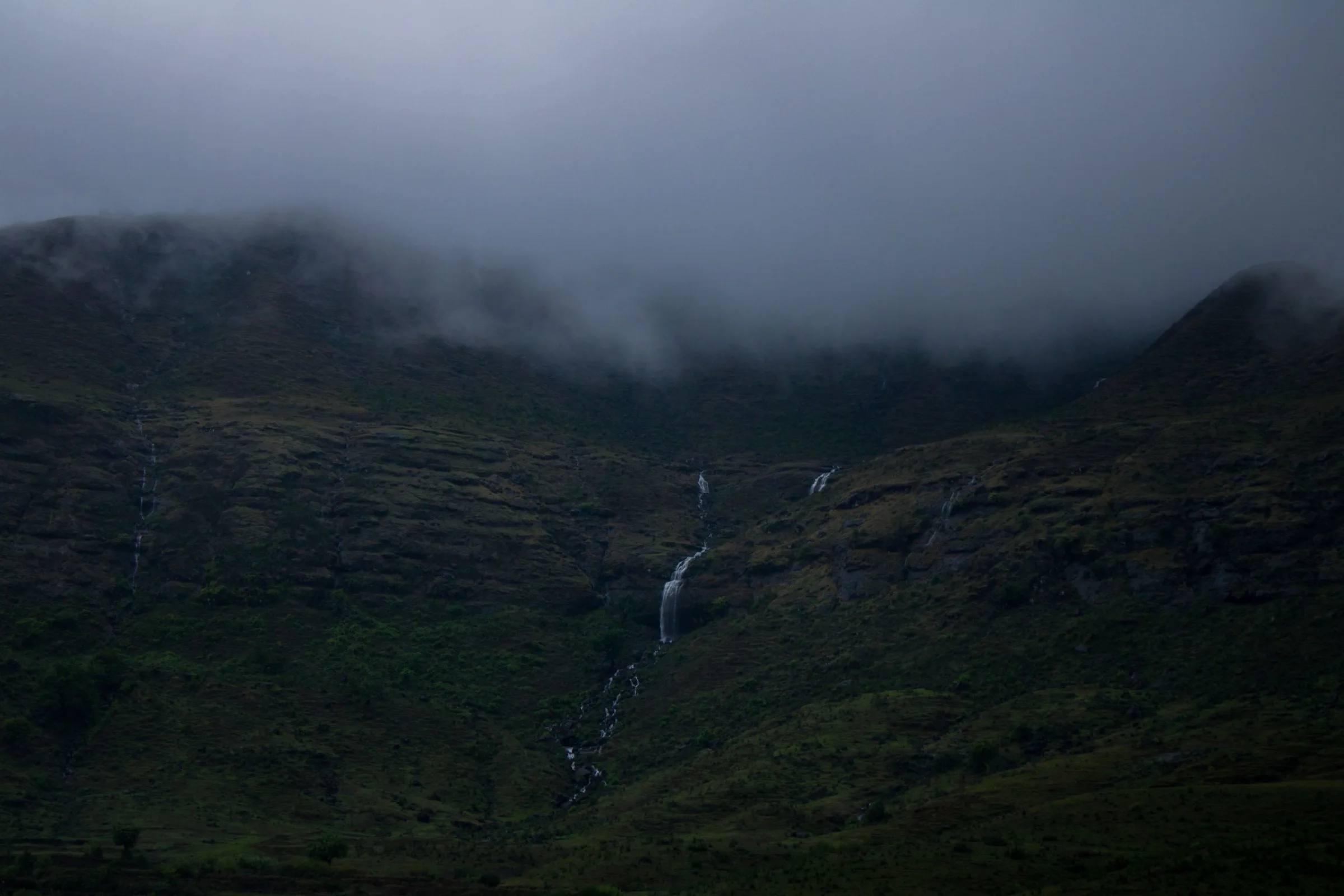
Fog does the hardest part of composition for you. It removes the background, separates planes by distance, and reduces a cluttered scene to a few shapes.
The technical points that matter:
When to find it: radiation fog forms on clear, calm nights when the ground cools — so the forecast to look for is clear overnight, light wind, high humidity, and a large gap between temperature and dew point closing before dawn. Valleys and water. It burns off within two hours of sunrise, so this is a pre-dawn commitment.
Fog is the only weather condition that improves a mediocre location. It is worth setting an alarm for in a way that a sunrise is not.
Rain itself photographs poorly — individual drops are invisible unless backlit against something dark. What photographs superbly is what rain does to surfaces.
Wet asphalt becomes a mirror. Cobbles pick up every light in a street. Colours saturate by a stop. Reflections double every neon sign and lit window, which is why the best city photographs in existence were mostly taken in the rain.
Practical: shoot low, because reflections need a shallow angle. Get the lens hood on to keep drops off the front element. Carry a microfibre cloth in a pocket, not in the bag, because you will need it every ninety seconds and will stop bothering if it is awkward to reach.
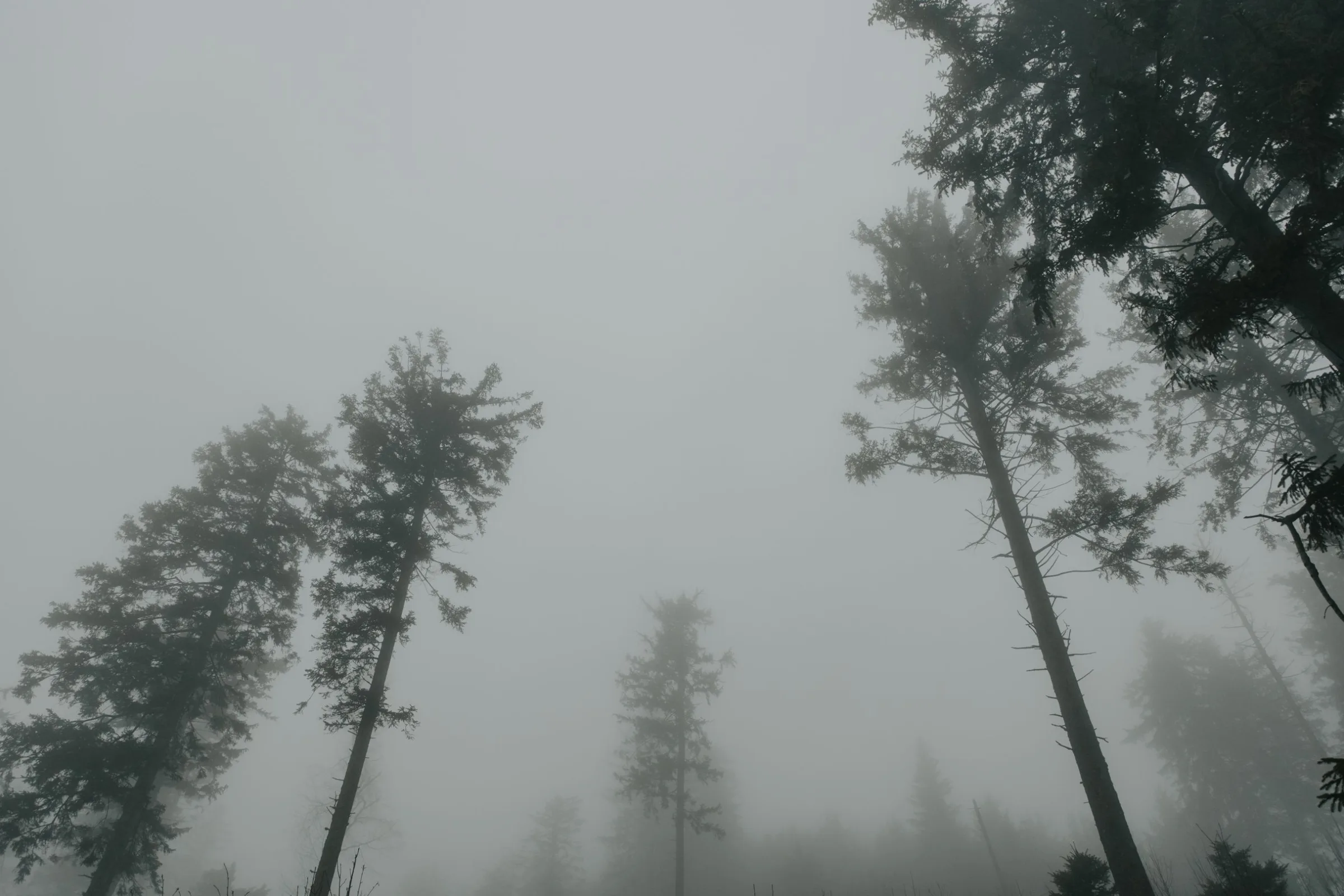
Flat white sky is the condition people complain about most and it is genuinely excellent for two things: portraits, because the light is soft and directionless with no harsh shadows; and detail work — forests, waterfalls, texture, anything where the contrast range of direct sun would be unmanageable.
The rule: exclude the sky. An overcast sky has no information in it. Compose so it is out of frame entirely, or reduced to a thin band. Most disappointing overcast photographs are 40% blank white at the top.
Same metering problem as fog, more severe. A snow scene will be underexposed by one and a half to two stops by any automatic mode, producing grey snow.
Add exposure compensation and check the histogram — snow should sit hard against the right side without clipping. And set white balance manually, because auto will neutralise the blue in shadowed snow, and that blue is what makes snow photographs read as cold.
Check the practical details in this article against an official source before you travel. Prices, permits and opening times were verified in the month shown at the top of the page and they move faster than we can re-publish.
The most dramatic light in landscape photography happens at the edges of a storm — the moment it clears, or the shaft of sun under a departing front. This is real and worth chasing.
The limits are also real. Lightning within earshot means you go inside, and a tripod on an exposed ridge is a lightning rod you are holding. Coastal storm photography kills people every year, almost always because they stood on a sea wall to photograph a wave and could not judge the largest one in the set.
No frame is worth this and the good photographers all say the same thing about it.
Two habits that changed my hit rate:
Read the forecast for transitions, not conditions. The valuable information is not "rain" — it is "rain clearing at 16:00," because the twenty minutes after a front passes is when the light does something.
Go out anyway. The single largest factor separating photographers with distinctive weather images from those without is that the first group left the accommodation when the second group did not.

Photography editor
Yusuf shoots and edits everything visual here, and writes the pieces about how the pictures get made. He is based in Istanbul, works with a single 35mm lens more often than he admits, and has strong opinions about photographing people without asking.
Independent travel journal
Long-form travel writing with the practical parts left in — what it costs, when to go, and what the person who lives there thinks about it.