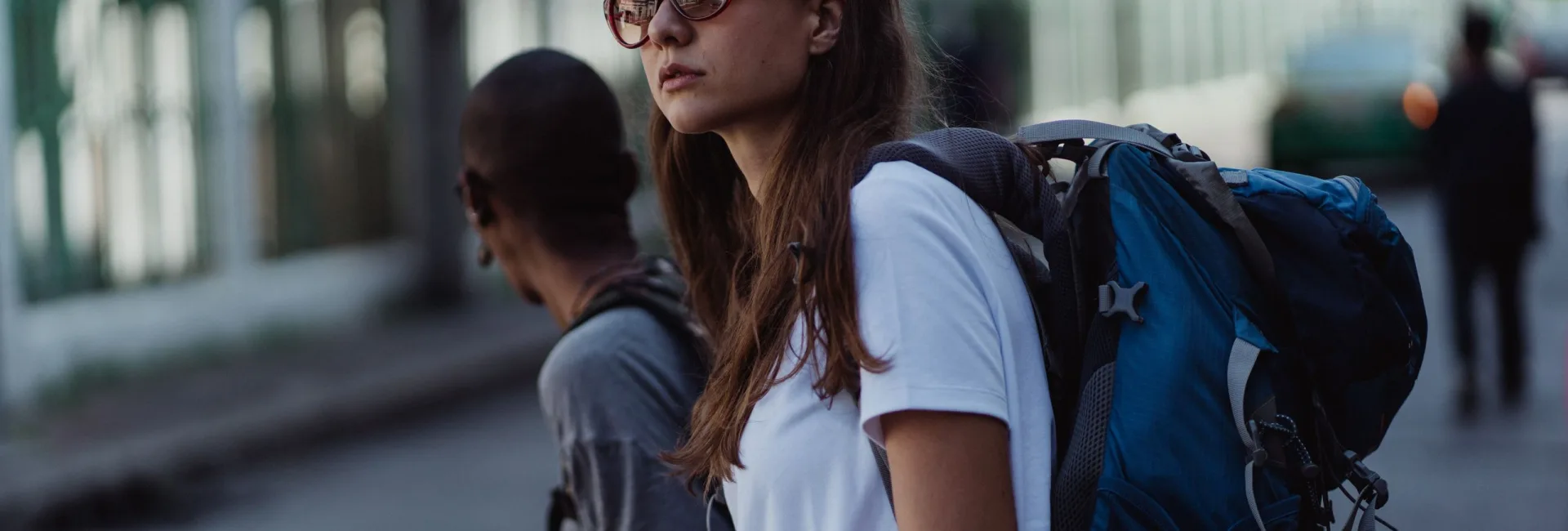
There is an industry built on telling solo travellers, particularly women, that the world is dangerous. It sells devices, courses, tracked jewellery and anxiety.
There is an opposing genre that says the world is overwhelmingly kind and you should simply trust people. This is also unhelpful, in the other direction.
The useful position is between them and it starts with looking at what actually goes wrong.
Consular and insurance data across most countries put the leading causes of serious harm to travellers in roughly this order:
Violent crime against travellers is real, and it is far down this list. The mismatch between where the danger is and where the advice is directed is the central problem with the genre.
The safety product nobody sells is a helmet, a seatbelt and the discipline to refuse a motorbike ride from someone who has been drinking. That is where the actual risk lives.
1. Treat transport as the main safety decision. Refuse vehicles without seatbelts where there is an alternative. Wear a helmet on any two-wheeler and carry your own if you are renting for weeks. Do not travel by road overnight in countries with poor road safety records — night bus crashes are a recurring category. Avoid the cheapest operator on mountain routes.
2. Respect water you do not know. Ask locally about currents before swimming. If there is no one to ask, that is information. Rip currents kill strong swimmers; the response is to swim parallel to the shore, not against it.
3. Sort medical before you go. Insurance that covers what you will actually do — many policies exclude motorcycling, trekking above a certain altitude, and diving. Carry a card with your blood type, allergies and conditions in the local language. Know where the nearest decent hospital is when you are somewhere remote.
4. Keep a check-in habit. One person at home who knows roughly where you are and when they will next hear from you. Not tracking — a simple pattern whose absence would be noticed.
5. Make theft survivable rather than impossible. Split cash and cards across two places. Keep a photographed copy of documents in cloud storage. A cheap secondary phone matters more than a hidden money belt.
This article describes activity with real risk. It is an account of our experience, not instruction. Assess your own competence, check conditions on the day, and confirm that your insurance covers what you intend to do — many policies exclude trekking above a set altitude, motorcycling and diving.
Harassment is a genuine and unevenly distributed problem, and the advice that follows is not victim-blaming — it is what experienced solo travellers actually do.
Arrive in daylight. This is the highest-value single habit. The first hour in an unfamiliar place, disoriented and carrying luggage, is when most problems start. Plan arrivals for daytime even when it costs money or a day.
Book the first night in advance. Winging it is fine on night three, not on night one.
Know the route from the station to the accommodation before you land, including what the walk looks like on street view.
Have an exit line. A prepared, polite, unambiguous sentence to end a conversation, and the willingness to be thought rude. Most people's difficulty here is social discomfort rather than danger, and practising it removes the hesitation.
Trust the discomfort. The feeling that something is wrong usually precedes the reasoning that explains it. Leave first, analyse afterwards.
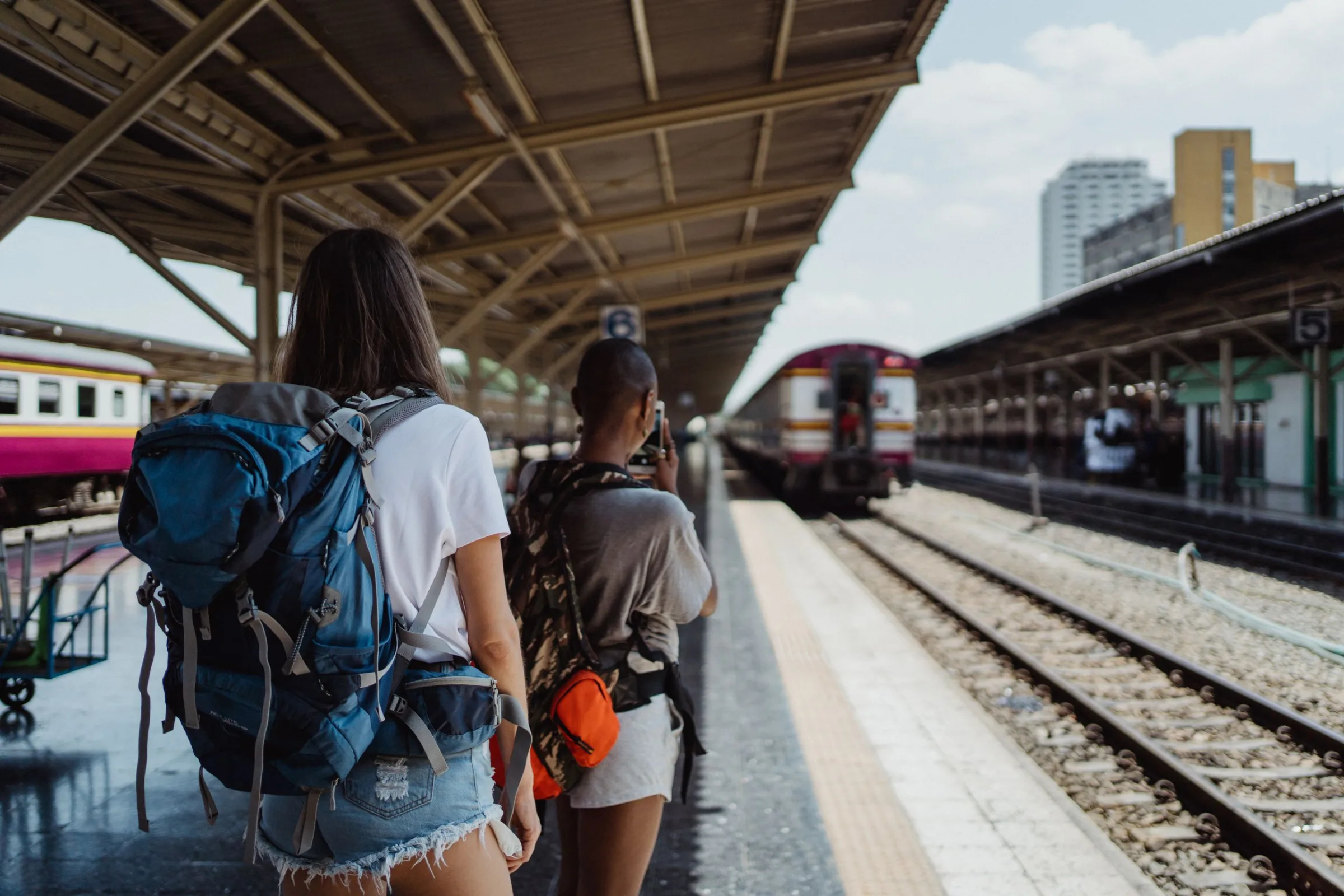
Money belts. Visible when accessed, awkward, and they solve a problem — total loss of everything — that splitting your money solves better.
Personal alarms. Cheap and harmless, and there is limited evidence they help. Carry one if it helps you feel able to travel; do not confuse it with a plan.
Anti-theft everything. Slash-proof bags with locking zips are a solution to bag-slashing, which is rare, and a hindrance to reaching your camera, which is constant.
Registering with your embassy. Useful in genuinely unstable places and where evacuation might be needed. Not meaningful for a fortnight in Portugal.
Learning twenty words. Hello, please, thank you, help, police, hospital, how much, no, stop, I don't understand. This changes how you are treated more than any device.
Staying somewhere with a staffed reception. Someone who notices whether you came back is worth more than any lock.
Local women's knowledge. Ask women who live there which areas and which hours they avoid. The answer is specific, accurate, and completely different from what a guidebook says.
Being unremarkable. Not "blending in," which is often impossible, but not signalling wealth or disorientation. Look at a map before you set off, not on a corner.
Solo travel is, statistically, not especially dangerous, and for most people the risk is lower than the daily commute they do without thinking about it. The genuine costs of travelling alone are loneliness on day nine, decision fatigue, and the fact that everything goes wrong without anyone to share the problem.
Those are worth preparing for too, and nobody sells a device for them.

Writer, gear & logistics
Tom tests things until they break and then reports how long that took. Packing systems, boots, cold-weather kit, missed connections and the unglamorous mechanics of getting from one place to another. Nine years on the same duffel bag and counting.
Independent travel journal
Long-form travel writing with the practical parts left in — what it costs, when to go, and what the person who lives there thinks about it.