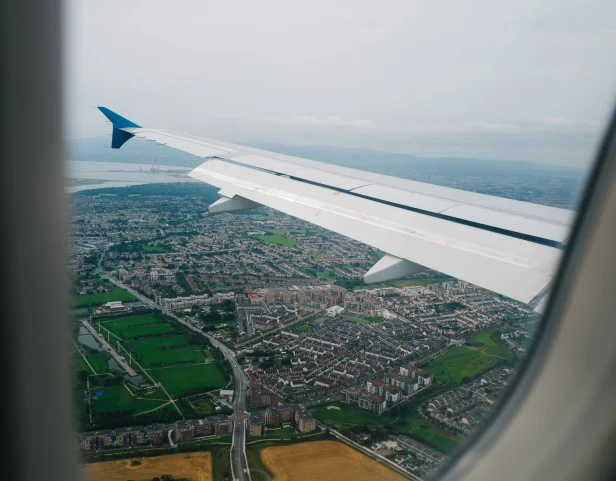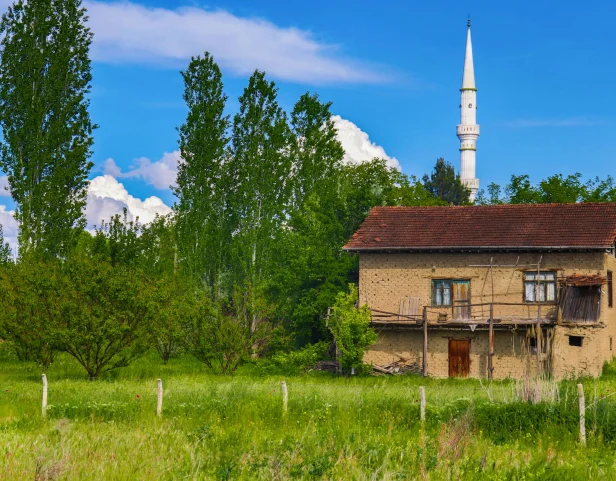
The standard holiday is seven to ten days and it is calibrated almost entirely around annual leave rather than around how long it takes to get anything out of a place.
My observation, across a lot of trips of both lengths, is that something specific happens between roughly day eight and day twelve, and that a two-week trip is not twice as good as a one-week trip. It is a different category of thing.

Week one is orientation, and orientation consumes almost all available attention.
You are working out currency, transport, where to buy water, which direction is north from the station, how much things should cost, what the social rules are around greeting people and tipping. None of this is travel. It is overhead, and it is unavoidable.
By day five or six most of it is resolved and running in the background. That is when capacity frees up.
You stop navigating and start noticing. The mental effort spent on getting from A to B goes to nearly zero, and what it was consuming becomes available for everything else. This is the single largest change and it is almost mechanical.
You get a routine, and the routine gets you recognised. The same café three mornings running produces, on the third or fourth, a nod, then a question, then a conversation. This cannot be accelerated and it does not happen on a schedule that moves every second night.
Second-order recommendations arrive. Everyone gets the first-order ones — the famous sights — on day one from a guidebook. The good information comes from people, and people give it to someone they have seen more than once.
The best thing anyone told me on a trip has never once come in the first three days. It arrives around day nine, from someone who has decided I am not just passing through.
You start seeing structure rather than surface. In week one a market is colourful. In week two you notice which stalls are family-run, that the prices move on a Thursday, that one vendor is clearly the one everyone defers to.
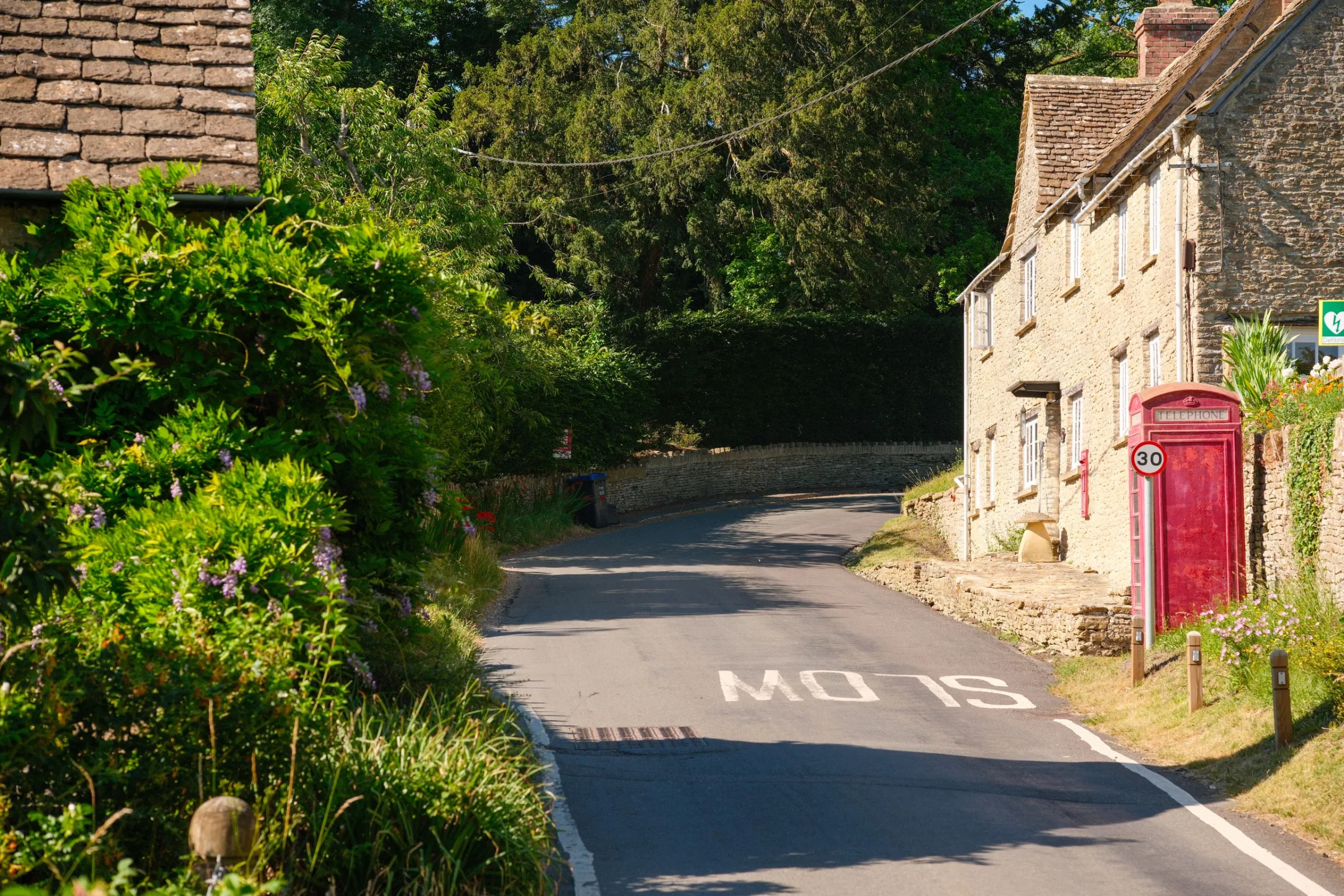
Four approaches, in order of how easily they fit a normal working life.
1. Go to fewer places. The most available change and the one people resist most. A fortnight in one region, rather than four cities in three countries, converts a two-week trip into two weeks in one place — which is functionally a second week even though it is the same leave.
2. Bookend a work trip. Four days of work plus a weekend either side is a nine-day trip on three days of leave.
3. Use the public-holiday arithmetic. In most countries, careful placement around holidays turns nine days of leave into a genuine seventeen-day absence, once or twice a year.
4. Ask about remote work properly. Not as an open-ended request — as a specific proposal for a defined period with a stated overlap in working hours. This is refused far less often than people assume, and the refusal is usually about tax and insurance rather than about trust, which means it is a question for HR rather than your manager.
The mistake is to fill them, which reproduces week one in a new location.
What works better:
Everything mentioned here was paid for at the normal rate. Beyond The Geo does not accept press trips, hosted stays or comped meals — see our editorial policy for the full position.
Long stays have costs that the slow-travel genre tends to skip.
Around day ten to twelve there is frequently a flat patch — the novelty has gone and the depth has not arrived, and the correct response is to do nothing about it rather than to book a flight somewhere new.
Loneliness is real on a solo long stay and it lands harder in week two than week one, when adrenaline is doing work.
And some places genuinely do not reward two weeks. A small town with one thing in it is a two-day town, and staying longer out of principle is its own kind of mistake.
The question I now ask before booking: would I be happy here if I saw none of the famous things?
If yes, stay two weeks. If no, it is a stop rather than a destination, and it should be three days on the way to somewhere that passes.

Senior writer, cities
Marcus grew up between Lagos and south London and has spent nine years writing about how cities actually work at street level — who lives where, what changed, and which neighbourhood the guidebook forgot. He walks every route he publishes.
Independent travel journal
Long-form travel writing with the practical parts left in — what it costs, when to go, and what the person who lives there thinks about it.