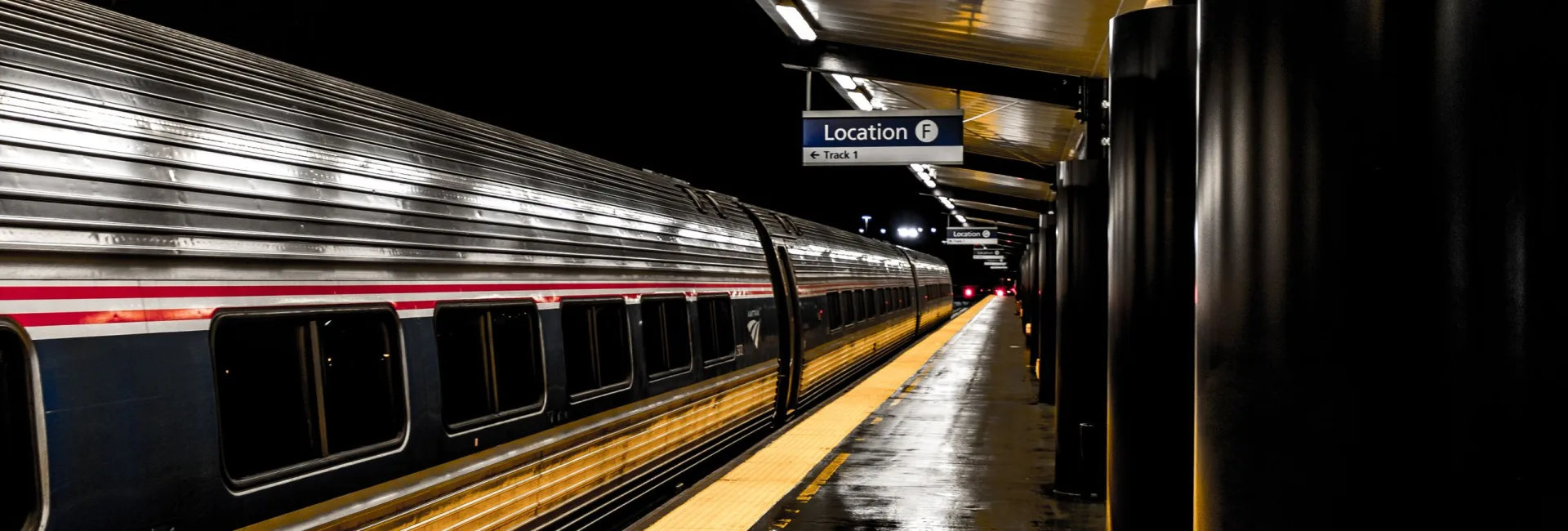
Between roughly 1995 and 2015, Europe closed most of its night trains. Budget airlines undercut them, high-speed day services took the shorter routes, and rolling stock reached the end of its life with no replacement ordered. By 2016 the network was a remnant.
Since about 2020 that has reversed — new routes, new carriages, and an order book. It is a genuine and welcome shift. It is also more precarious than the coverage suggests.
The backbone is ÖBB Nightjet, the Austrian operator that bought Deutsche Bahn's abandoned sleeper stock in 2016 and built a network on it. Vienna and Zurich to Berlin, Hamburg, Amsterdam, Brussels, Rome, Milan, Venice, Paris. New-generation carriages with single-person "mini cabins" entered service from 2023.
Alongside it:
Three classes, and the difference is large:
Seat. Cheapest, and a genuinely poor night's sleep. Fine for under eight hours if you are young or desperate.
Couchette. Four or six bunks in a compartment, shared with strangers, sheets provided, no washbasin. This is the classic experience and it is sociable in a way that has largely disappeared from travel. Six-berth is cramped; four-berth is the sweet spot.
Sleeper. One to three beds, private, with a washbasin and sometimes a shower. Costs two to three times a couchette and is the version that competes with a hotel plus a flight.
The economic case is not train fare against airfare. It is train fare against airfare plus a hotel night plus two airport transfers plus the working day you lose.
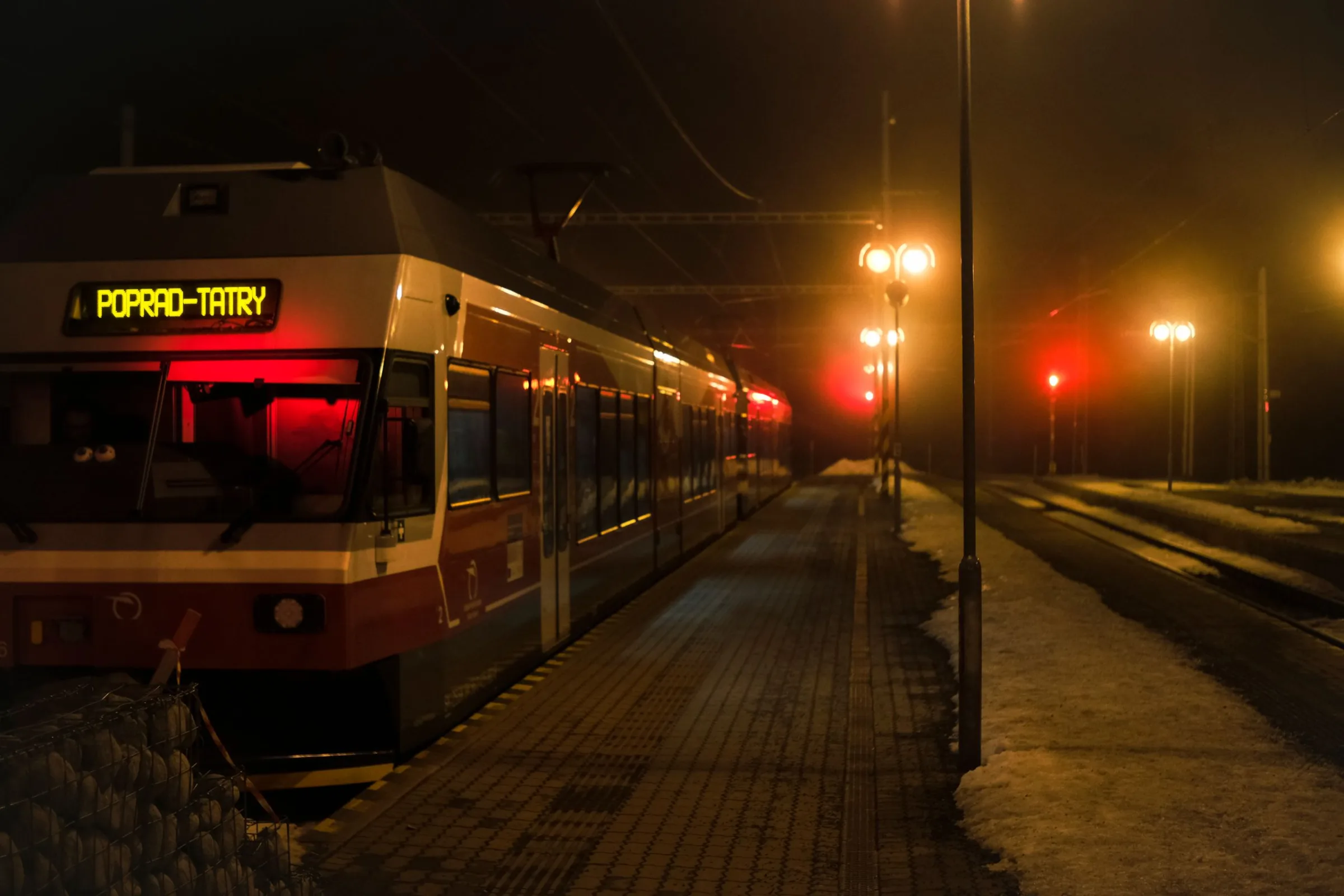
Vienna to Amsterdam. A budget flight, booked ahead, might be €60–120 and takes about two hours in the air — call it six door to door. Nightjet in a couchette runs €70–130, in a private sleeper €160–260.
So the sleeper is more expensive than the flight and cheaper than flight-plus-hotel. It also delivers you into a city centre at breakfast time with the day intact.
On emissions the gap is not close: rail in Europe produces roughly 5–15 g CO₂ per passenger-kilometre depending on the electricity mix, against around 150–250 g for a short-haul flight. It is one of the few travel choices where the difference is an order of magnitude rather than a percentage.
For most long-haul trips the flight dominates the footprint so heavily that other choices are a rounding error against it. That does not make those choices pointless — it makes their value local rather than climatic, and worth judging on what they do for the place rather than for the atmosphere.
Four structural problems that the enthusiasm tends to skip:
Rolling stock. Sleeper carriages are expensive, specialised and slow to build. A new Nightjet set takes years from order to service and there is a limited supplier base.
Track access charges. Night trains pay to cross multiple national networks, at rates set nationally. A single train crossing four countries deals with four charging regimes, and those charges are a much larger share of cost than for aviation — where, notably, kerosene remains untaxed on international routes and there is no VAT on tickets.
Utilisation. A sleeper carriage earns money for eight hours a night. An aircraft flies four or five sectors a day. This is a fundamental asset-productivity disadvantage that no amount of goodwill fixes.
Path allocation. Night trains need slots when networks are doing maintenance, and they are low priority. Delays are common and connections are not protected.
There is no single European booking system, and this is the largest practical barrier.
Tickets typically open 60–180 days ahead depending on operator, and sleeper compartments on popular routes sell out within days at the cheap fares. Book on the operating railway's own site — ÖBB for Nightjet, European Sleeper direct — rather than through aggregators, which often cannot sell the full range of accommodation.
Interrail and Eurail passes are valid but require a separate reservation fee for the bed, typically €20–60, and those reservations are capacity-limited.
Book a lower bunk if you can — more headroom and you are not climbing over anyone. Bring earplugs and an eye mask; both compartments and stations are noisy. Fill a water bottle before boarding. Keep your passport and phone in the bed with you, not in a bag on the floor. And take the four-berth rather than the six.

Writer, environment & policy
Nadia covers the parts of travel that involve regulation, carbon and who actually benefits — night trains, overtourism rules, certification schemes. She trained as an urban planner in Beirut, works from Berlin, and reads the impact assessments so you do not have to.
Independent travel journal
Long-form travel writing with the practical parts left in — what it costs, when to go, and what the person who lives there thinks about it.