Review scores measure whether the last two hundred people were disappointed relative to their expectations. They do not measure whether you will sleep.
These are the things I check in the first five minutes, in order, developed after a long sequence of bad nights that were all predictable from the doorway.
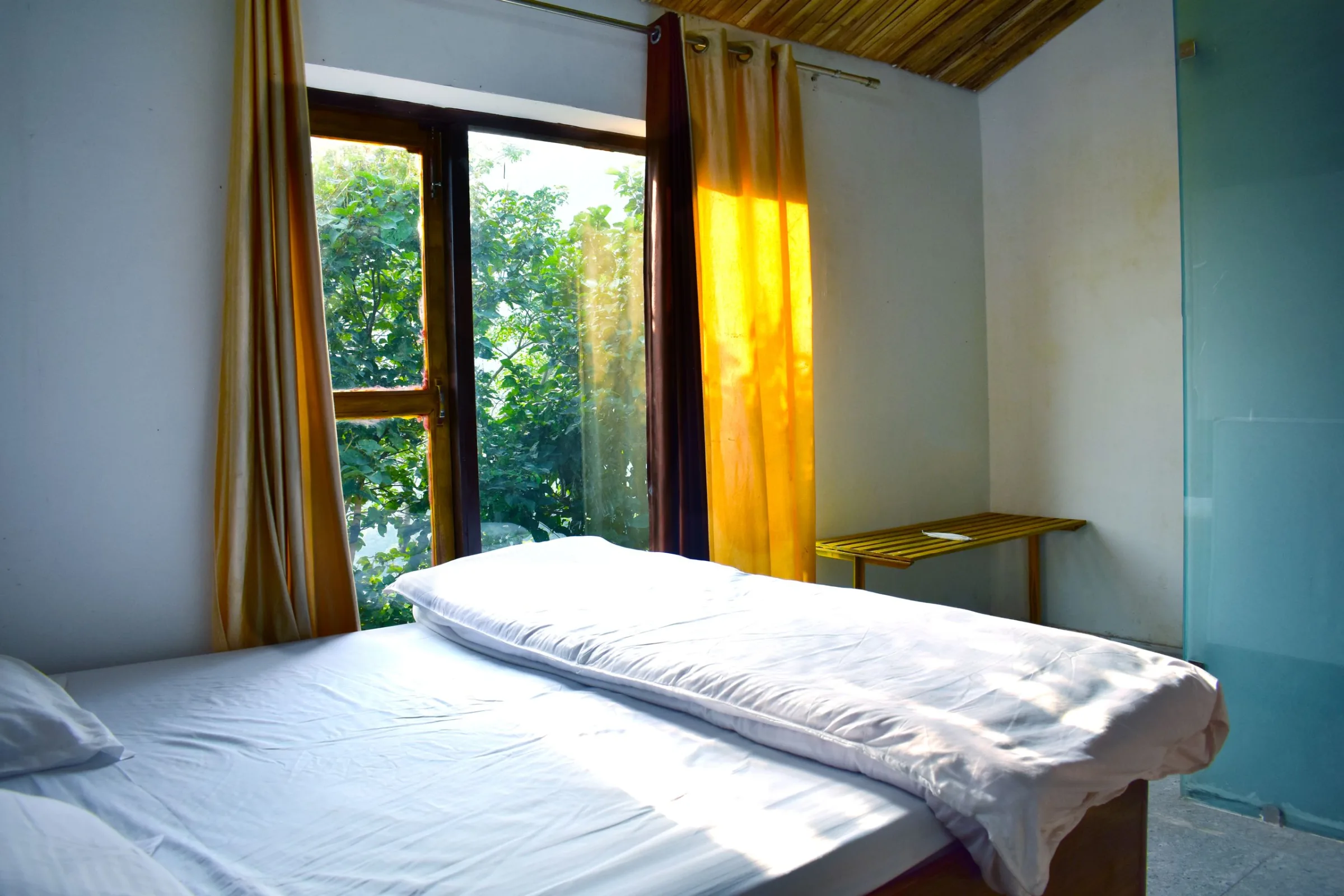
1. Stand still and listen for thirty seconds. Before looking at anything. Traffic, a generator, a lift shaft, a kitchen extractor, plumbing, a bar downstairs. Sound is the single largest determinant of sleep quality and the one thing photographs cannot convey.
Note that daytime quiet does not predict night. A street empty at three in the afternoon may be a delivery route at five in the morning; a bar closed at noon is the reason nobody sleeps at one.
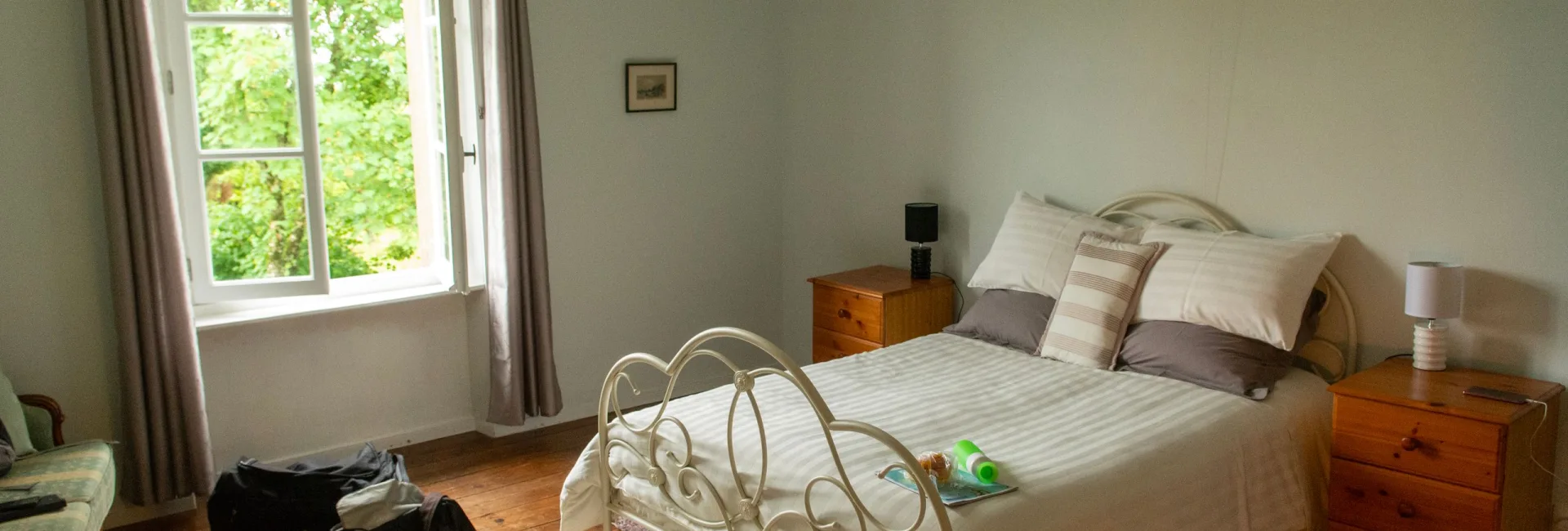
2. Find the wall the bed shares. With another room, a corridor, a lift, a bathroom, or the outside. In that order of increasing preference. A bed against a shared bathroom wall is the classic mistake and it is visible in three seconds.
3. Run the shower and flush. Hot water arrival time, pressure, drainage. If the shower drains slowly at 3pm it will flood at 8am. If it takes ninety seconds to warm up, that is ninety seconds every day.
4. Test the light and the door. Is there a light you can reach from the bed? Does the door lock from inside, and does it feel solid? Do the curtains actually close — the gap in the middle is the standard failure, and it is the difference between sleeping until seven and waking at five.
5. Check the air. Does a window open? Is there a fan, and does it work? Does the room smell of damp? Air conditioning that is loud enough to hear from the bed is a choice between heat and noise, and you will make it badly at two in the morning.
Listen first, before you look at anything. Thirty seconds of standing still in a room predicts the night better than every photograph and review put together.
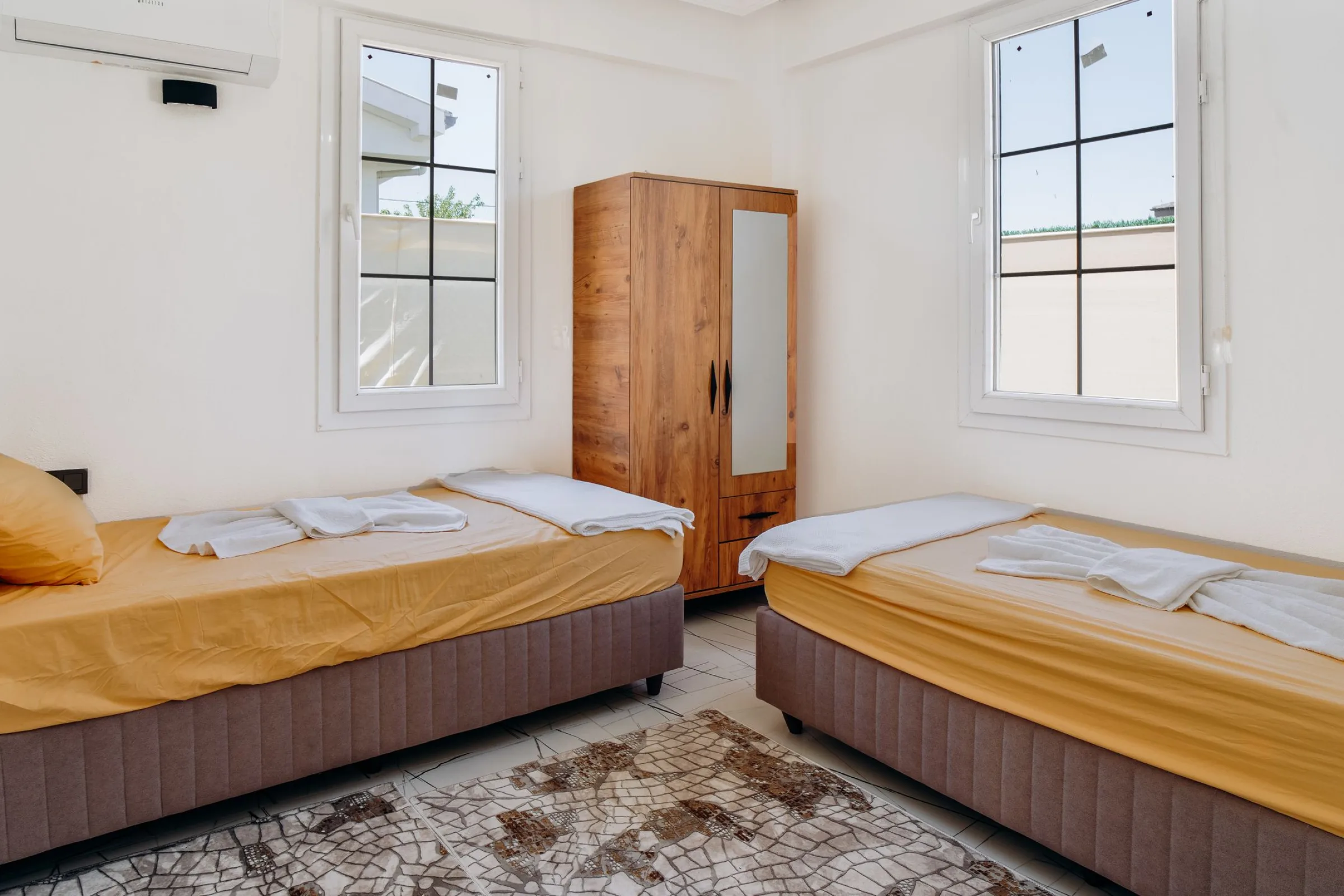
In much of the world this is completely normal and expected — guesthouses in Asia, Latin America, Africa and southern Europe generally assume you will look before taking it. In northern Europe and North America it is less usual but not strange, and nobody refuses.
The phrasing that works: "May I see the room first?" Then, if it fails: "Do you have another one, perhaps higher up or at the back?" This second question gets a better room remarkably often, because the first room offered is frequently the least popular one.
Specific requests worth making at check-in, which cost nothing:
The aggregate score is close to useless. The information is in the structure of the complaints.
Read the three-star reviews. One-star reviews are frequently about something that went wrong once, or about a person having a bad trip. Five-star reviews are frequently about being treated kindly, which is lovely and tells you nothing about the plumbing. Three-star reviews are where people describe a place accurately and then weigh it.
Search the reviews for specific words: noise, hot water, wifi, smell, stairs, mosquito. Any platform lets you do this and it surfaces the recurring problems in seconds.
Weight recent reviews heavily. Ownership changes, and a place that was excellent three years ago under different management is a different property.
Ignore the photographs of the lobby. Look at the photographs guests uploaded, not the ones the property did.
Check the practical details in this article against an official source before you travel. Prices, permits and opening times were verified in the month shown at the top of the page and they move faster than we can re-publish.
After a lot of nights, the strongest signals are not the obvious ones:
If the room is bad and there is no alternative, leave. This feels socially difficult and it is the correct decision.
Say it plainly and without a manufactured excuse: "I'm sorry, this isn't going to work for me." Pay for nothing you have not used. If you have prepaid through a platform, take photographs of the specific problem before you go, and open the dispute the same day.
The cost of one wasted booking is small. The cost of five bad nights because you did not want to seem rude is not.

Contributing editor, food
Rafaela cooks, and then writes about why a dish is made the way it is. Based in Porto, she covers markets, producers and the long arguments communities have about their own recipes. She has never once recommended a restaurant she did not pay for.

Independent travel journal
Long-form travel writing with the practical parts left in — what it costs, when to go, and what the person who lives there thinks about it.