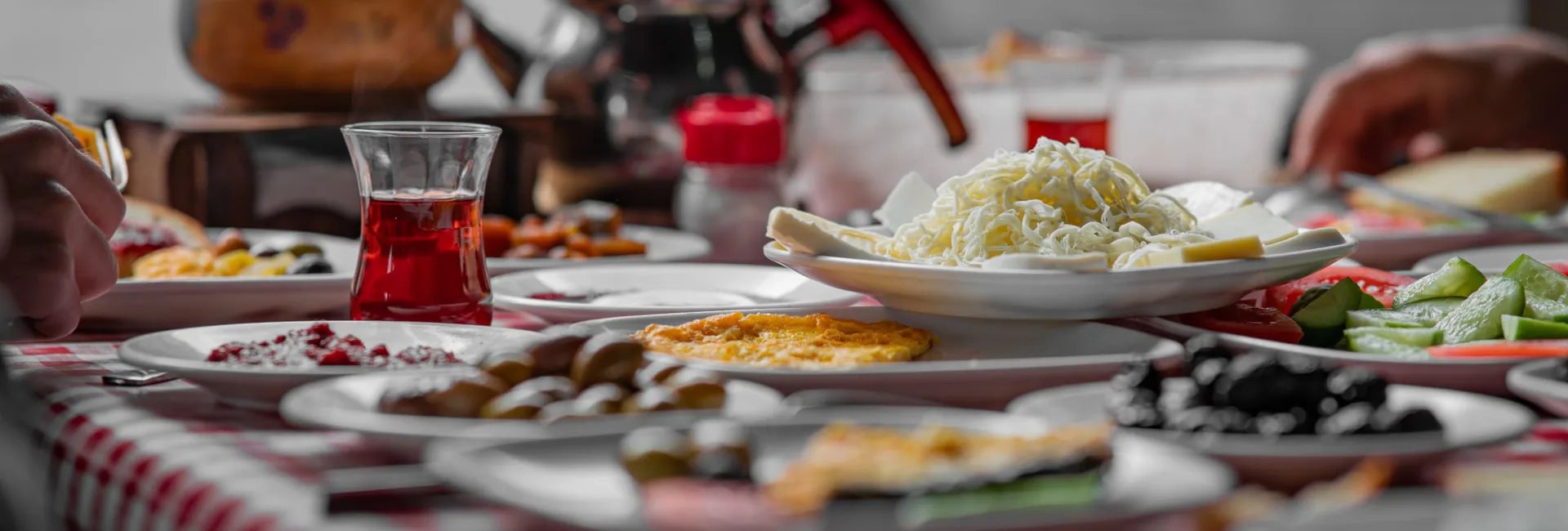
Almost every food guide is organised around dinner. Reservations, tasting menus, the chef's story. And almost every country's most characteristic, most consistently excellent and most socially revealing meal is breakfast.
This is not a small preference. It has changed how I plan travel.
Dinner in a touristed city is a performance staged partly for outsiders. Breakfast is not. It is eaten by people who have to be somewhere afterwards, at a price they pay every day, in a room where nobody is trying to impress anybody.
Three consequences:
You learn more about a place in one hour at a breakfast counter than in three at a tasting menu, and it costs about four per cent as much.
Ful medames, Egypt. Slow-cooked fava beans with olive oil, cumin, lemon and whatever the vendor adds — tahina, egg, tomato. Sold from copper pots on street corners from before dawn. Costs pennies, sustains for hours.
Kaya toast and soft eggs, Singapore. Charcoal-toasted bread with coconut jam and a slab of cold butter, with two barely-set eggs in a saucer and dark soy and white pepper to pour over them. The coffee comes with condensed milk unless you specify otherwise, and there is a whole ordering vocabulary to learn.
Gallo pinto, Costa Rica and Nicaragua. Rice and beans fried together with onion, pepper and coriander, with eggs and fried plantain. Both countries claim it. Neither claim is settled.
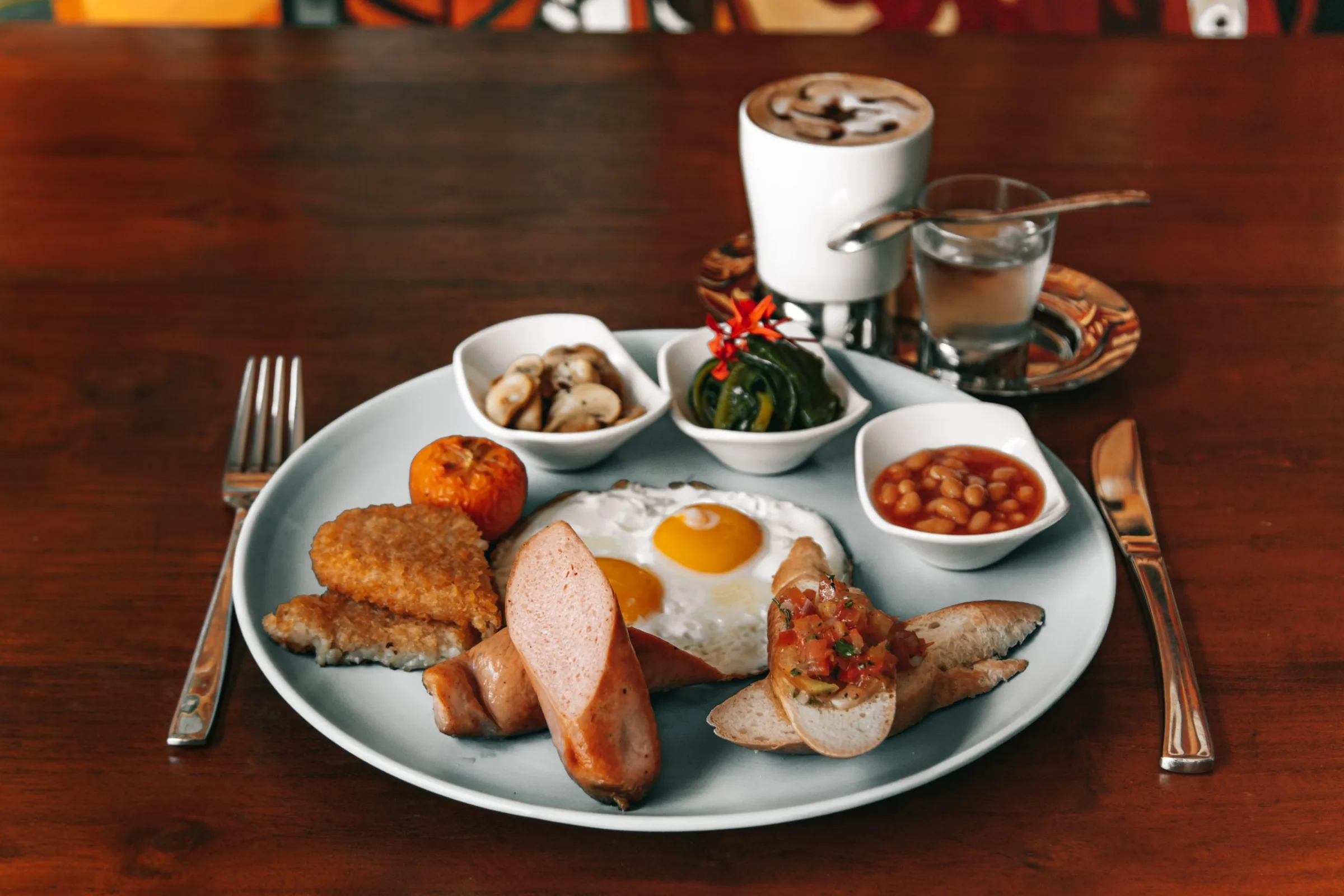
Menemen, Turkey. Eggs scrambled slowly into tomato, green pepper and butter, arriving in the pan it was cooked in, eaten with bread and never with a fork alone. The argument about whether onion belongs in it is genuine and unresolved.
Congee, southern China. Rice cooked to collapse, with century egg and pork, or fish, or just ginger and spring onion, and a fried dough stick to dip. The most comforting thing on this list.
Desayuno chilango, Mexico City. Chilaquiles — tortilla chips simmered in salsa until they begin to soften but not dissolve — with crema, onion and an egg. The correct texture window is about ninety seconds wide and good places hit it.
Fyrstefrokost, Norway. Open sandwiches, brown cheese, pickled herring, boiled eggs, and coffee at a strength that is not negotiable. Undramatic and quietly excellent.
Injera with shiro, Ethiopia. Fermented teff flatbread with a chickpea stew, eaten with the right hand. Sour, warm and completely unlike any other breakfast on earth.
Everything mentioned here was paid for at the normal rate. Beyond The Geo does not accept press trips, hosted stays or comped meals — see our editorial policy for the full position.
Four signals, in order of reliability:
And one anti-signal: photographs of the food on the wall, in more than one language.
Beyond the food, breakfast-first travel restructures a day well. You are out before the light gets flat and before the sights fill up. You eat your significant meal at a point where you still have the whole day to walk it off. And you free the evening, which is when a city is most pleasant to be in and least necessary to spend money in.
The cost of this is getting up. That is the entire cost.

Contributing editor, food
Rafaela cooks, and then writes about why a dish is made the way it is. Based in Porto, she covers markets, producers and the long arguments communities have about their own recipes. She has never once recommended a restaurant she did not pay for.

Independent travel journal
Long-form travel writing with the practical parts left in — what it costs, when to go, and what the person who lives there thinks about it.