The chaikhana — literally tea house — is not a café. A café is where you buy a drink. A chaikhana is where you sit for four hours on a raised wooden platform called a tapchan, cross-legged around a low table, and the tea is the reason you are permitted to be there rather than the thing you came for.
I spent five weeks moving east through Uzbekistan, Tajikistan and Kyrgyzstan, and I organised almost the whole trip around them.
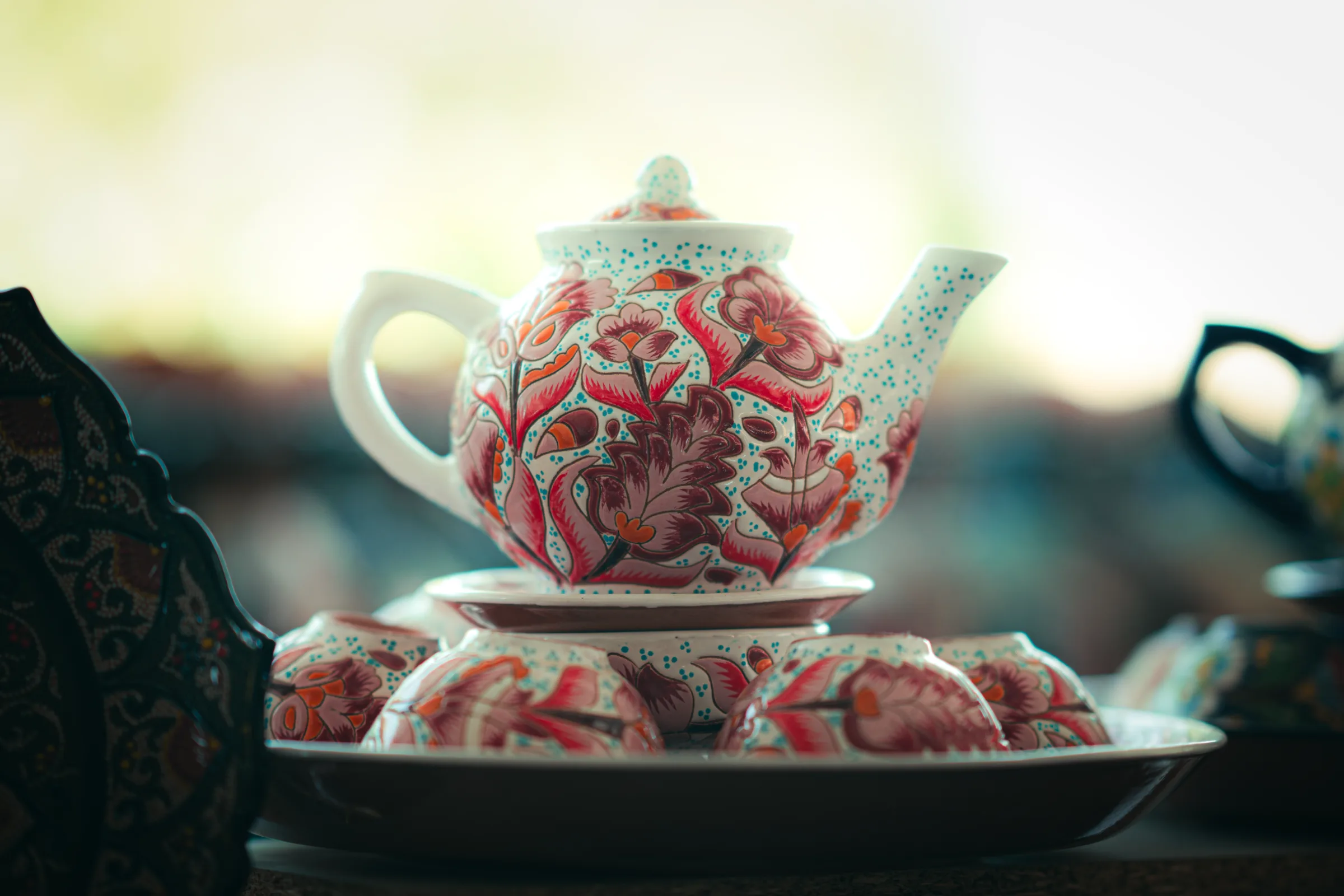
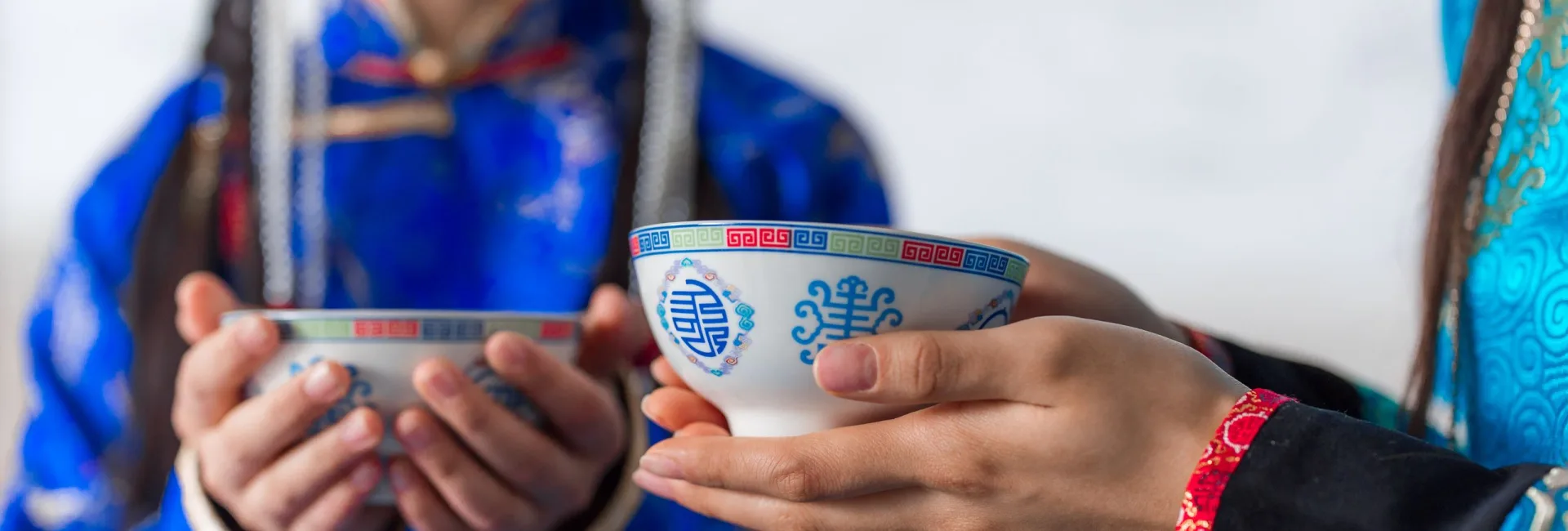
Green tea — kok choy — in most of Uzbekistan; black — qora choy — more often in the north and in Kazakhstan. It arrives in a china pot with small handleless bowls called piyola.
There is a ritual and it is worth learning because it is universally recognised and nobody expects a foreigner to know it:
In a chaikhana, a half-empty cup is hospitality and a full one is a hint. Getting this backwards is the most common mistake visitors make.
The historic centres of both cities are magnificent and heavily restored — Registan, Shah-i-Zinda, the Poi Kalyan complex — and the tea houses immediately adjacent to them have adapted accordingly. They are fine. They are also serving tea to people who will be gone tomorrow.
Walk fifteen minutes out. In Bukhara, the area around Lyab-i Hauz is where visitors sit; the streets north of it, toward the Jewish quarter, are where residents do. In Samarkand, the Siyob bazaar has a chaikhana at the back that serves the traders, opens at six, and does not have a menu.
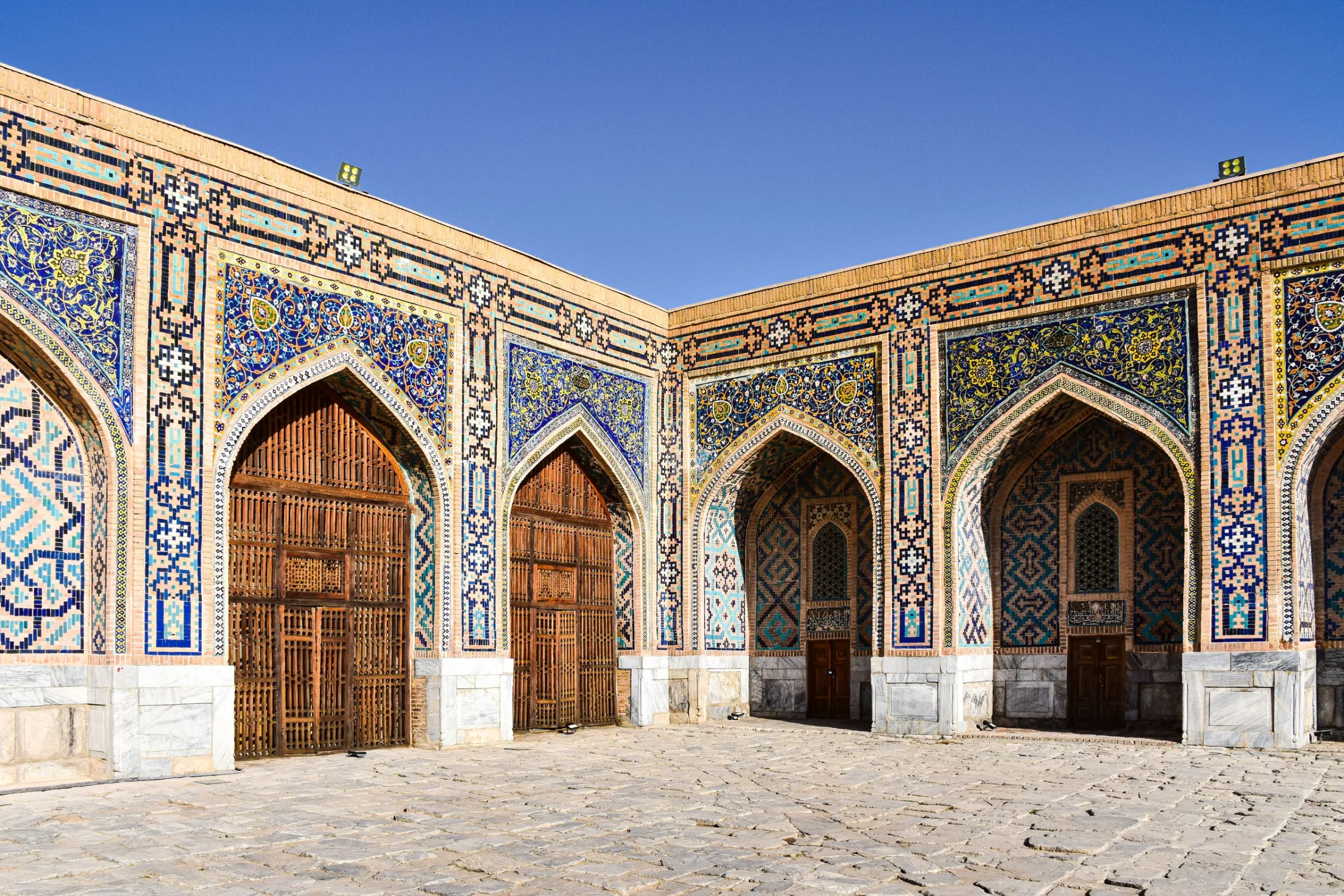
In the Pamirs the chaikhana becomes something else — less social institution, more survival infrastructure. At 3,500 m on the Pamir Highway, a homestay in a village like Bulunkul will serve tea with salt and yak butter, closer to Tibetan po cha than to anything in the lowlands.
It is not, on first encounter, pleasant. By the third day at altitude, when you are dehydrated and cold and have not eaten a vegetable in a week, it is the best thing available. The fat and salt are doing specific work.
The Pamir Highway itself is a two-week undertaking requiring a GBAO permit, a 4WD and a driver, and flexibility about everything. It is the finest road journey I have made.
This article describes activity with real risk. It is an account of our experience, not instruction. Assess your own competence, check conditions on the day, and confirm that your insurance covers what you intend to do — many policies exclude trekking above a set altitude, motorcycling and diving.
In the summer pastures — jailoo — around Song-Kul and Tash Rabat, tea is served in yurts by families who move up with their herds from June to September. The drink shifts: alongside tea there is kymyz, fermented mare's milk, sour and slightly effervescent and mildly alcoholic.
Refusing it is possible but costs you something. Accepting a small amount and drinking it slowly is the practical middle path, and the second bowl is easier than the first.
Community-based tourism networks in Kyrgyzstan are unusually well organised — you can book a yurt stay in a village office the day before, for around 1,200–1,800 som including meals, and the money goes to the family directly.
Visas. Uzbekistan and Kyrgyzstan are visa-free for most Western passports for 30–60 days. Tajikistan is an e-visa, straightforward, plus a separate GBAO permit for the Pamirs — apply for both together.
Money. Uzbekistan liberalised its currency in 2017 and the black market that used to dominate has essentially vanished. Cards work in cities, cash everywhere else. Bring clean USD notes for the Pamirs.
Season. April–June and September–October for the cities; July–August for the high pastures, which are inaccessible outside those months.

Contributing editor, food
Rafaela cooks, and then writes about why a dish is made the way it is. Based in Porto, she covers markets, producers and the long arguments communities have about their own recipes. She has never once recommended a restaurant she did not pay for.
Independent travel journal
Long-form travel writing with the practical parts left in — what it costs, when to go, and what the person who lives there thinks about it.