The first thing the rental car agent said to me at Vágar airport was not "welcome." It was: "Hold the door when you open it." Twenty minutes later, on the exposed stretch above Sørvágsvatn, I understood. A gust took the driver's door out of my hand and bent it forward against the hinge. The agent had seen it a hundred times. It is, apparently, the single most common insurance claim in the country.
That is the Faroe Islands in one gesture: a place where the weather is not scenery but a participant. You do not visit these eighteen islands so much as negotiate with them. Seven days is enough to learn the terms.
The instinct is to island-hop — a night here, a night there, chasing the postcard. Resist it. The Faroes are connected by a network of sub-sea tunnels, causeways and ferries so efficient that almost everything is within ninety minutes of Tórshavn. I moved accommodation twice in seven days and regretted both moves.
Pick one base on Streymoy or Eysturoy. Unpack. Then let the forecast decide each morning where you go. This is the only planning method that works here, because the alternative — booking a guesthouse in the north for Thursday and discovering Thursday is the one clear day in the south — is how people end up with a week of photographs the colour of wet concrete.
Check the practical details in this article against an official source before you travel. Prices, permits and opening times were verified in the month shown at the top of the page and they move faster than we can re-publish.
Since 2019 several of the most photographed trails cross private farmland and carry an access fee, usually between 200 and 300 krónur. There has been grumbling about this online. Having walked them, I think the grumbling is misplaced: the money goes to the farming families who maintain the paths, and the paths genuinely need maintaining.
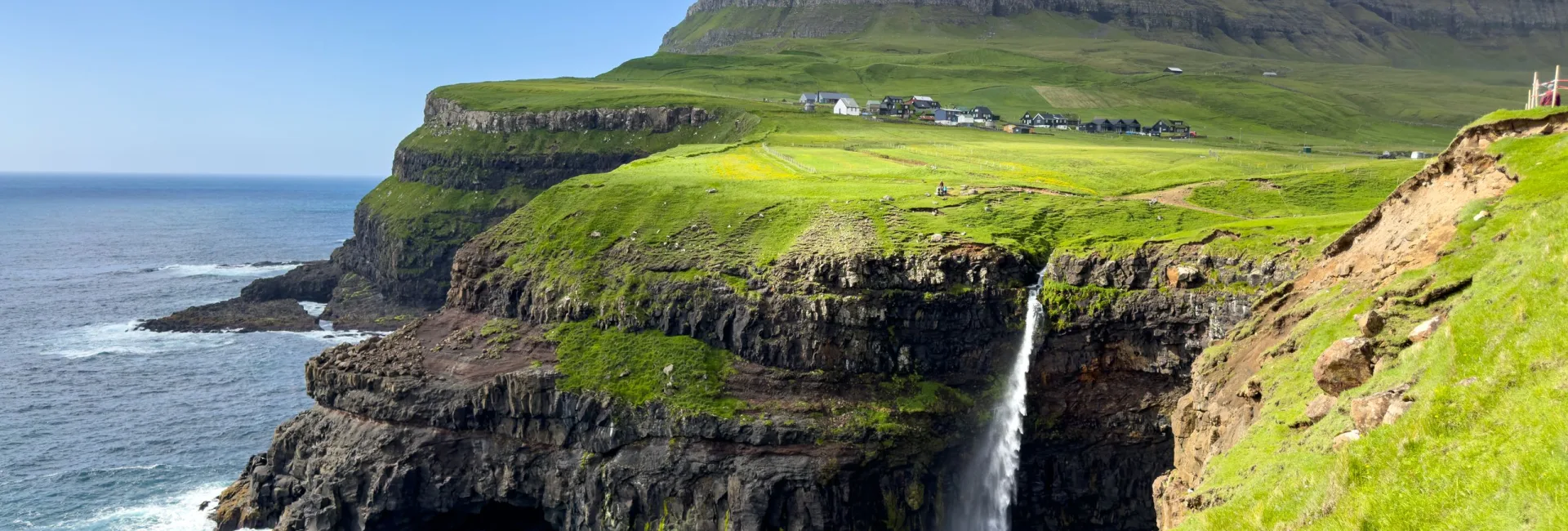
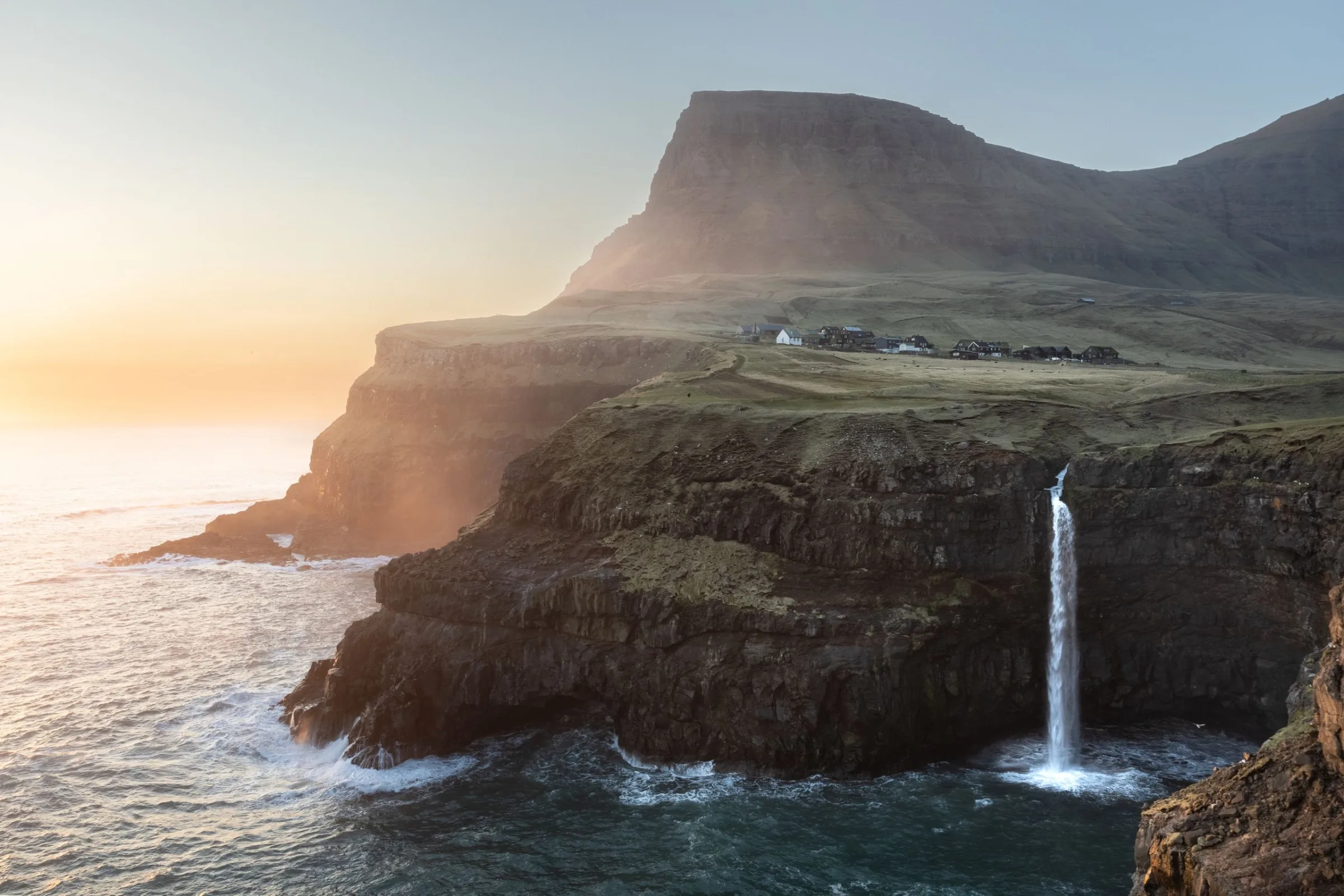
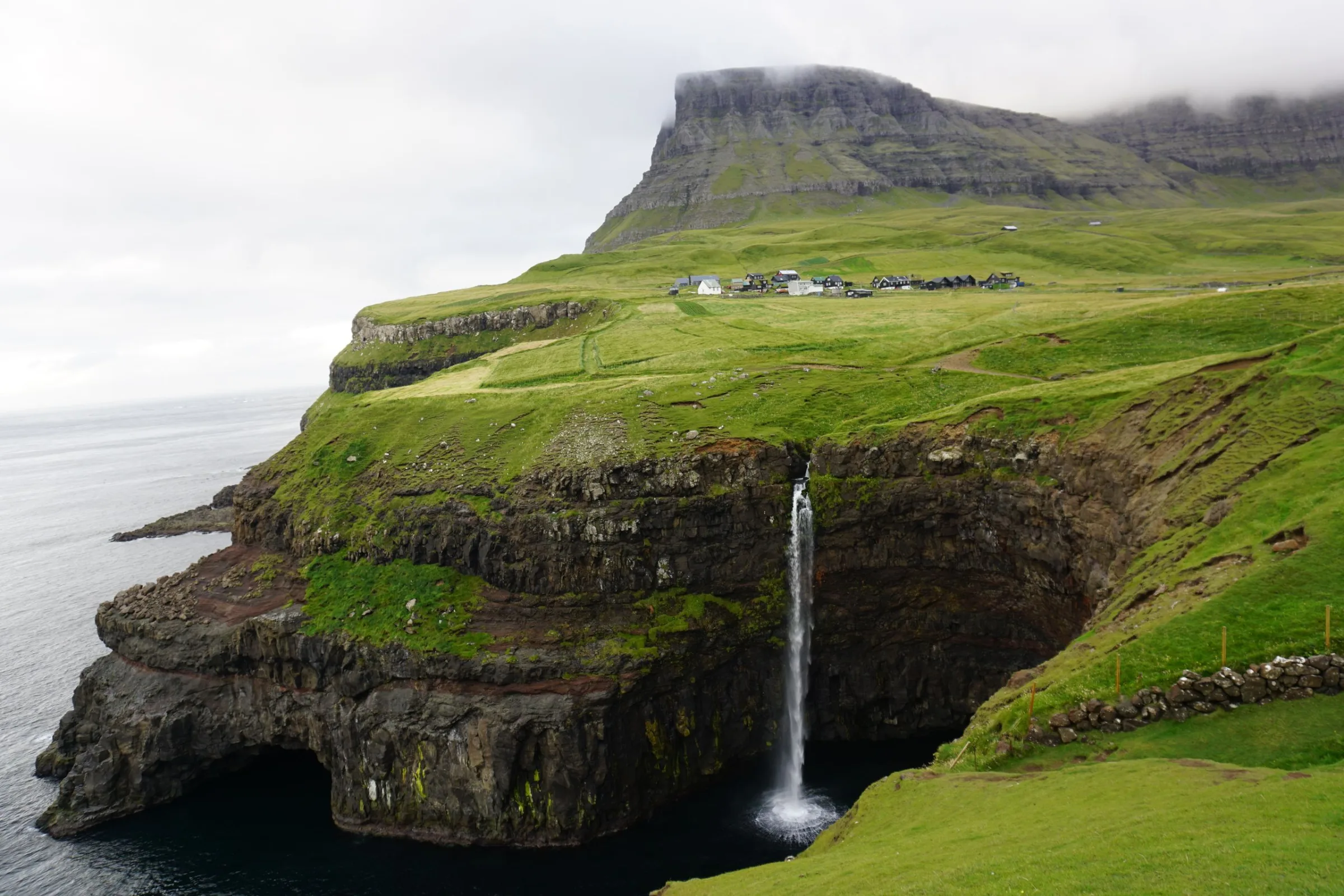
Every image you have seen of Gásadalur — the waterfall spilling off the cliff into the Atlantic — was taken from a spot roughly forty metres from a car park, in the four days a year when the light does that. I say this not to spoil it but to recalibrate. The waterfall is genuinely magnificent. It is also next to a road, and there will be eleven other people there.
The Faroes reward the second-best weather day and the third-best viewpoint. The famous ones are famous for a reason, but they are not where the week lives.
Where the week actually lives: the village of Bøur at dusk, empty. The tunnel to Klaksvík, lit like a nightclub because someone decided a roundabout under the seabed should have an art installation in it. A woman in Sandavágur who saw me photographing her gate and came out — not to object, but to explain that her grandfather had painted it that particular blue and she had matched it every seven years since.
When. June and July give you eighteen hours of light and the highest chance of a clear day, which is still only about one in three. September is emptier, cheaper and the light is better. Winter is for people who have already been.
Cost. This is not a budget destination. Expect Nordic prices with a surcharge for the shipping. A guesthouse double runs 900–1,400 DKK; a hot meal out, 200–300 DKK. Self-catering from the Bónus supermarket is standard practice and nobody thinks less of you for it.
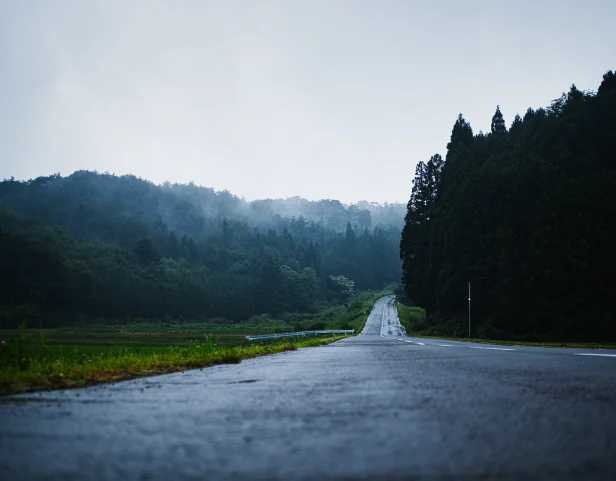
Driving. Single-track roads with passing places are the norm outside the main routes. The convention is that the car closest to a passing place reverses into it. Sheep have absolute right of way and know it.
Language. Faroese, with Danish as second language and near-universal English. Learning takk fyri — thank you — costs nothing and lands well.
Yes, and for longer. Seven days is enough to see the islands. It is not enough to catch them in good light, which is a different and more patient project. The people who come back with the photographs you envy are, without exception, the ones who stayed two weeks and wrote off the first ten days.

Editor & co-founder
Elin started Beyond The Geo in 2019 with a notebook of border-crossing times and guesthouse phone numbers. She writes mostly about the North Atlantic and the Arctic, and she is the reason every article on this site carries the month its prices were checked.
Independent travel journal
Long-form travel writing with the practical parts left in — what it costs, when to go, and what the person who lives there thinks about it.