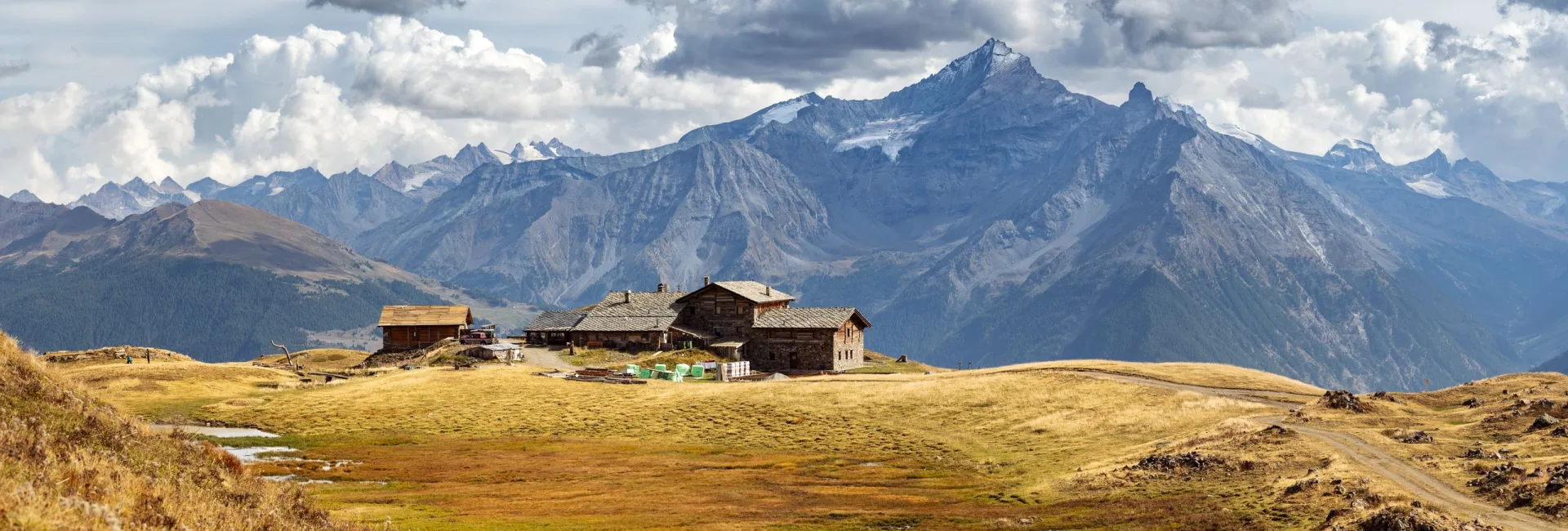
You can walk across the Alps for three weeks without carrying a tent, sleeping every night at 2,000–3,000 m in a building with a cook in it. You can also walk across the Scottish Highlands sleeping in stone shelters that nobody staffs, nobody charges for, and nobody guarantees will have a roof.
Both are mountain shelter networks. They work on opposite principles and confusing them is how people end up in trouble.
Run mostly by national alpine clubs — the DAV in Germany, ÖAV in Austria, CAS in Switzerland, CAF in France, CAI in Italy — plus private operators. Several thousand across the range.
What you get: a bed or a place in a Matratzenlager (communal mattress platform), dinner and breakfast, blankets or a duvet, and usually no shower. Half board runs €55–90 depending on country and altitude; alpine club members pay substantially less, and reciprocal-rights agreements mean membership of any member club gets the discount in all of them. If you plan more than about six hut nights, joining a club pays for itself.
The rules that catch people out:
The single rule that matters in an Alpine hut: if you booked and your plans changed, phone. Not calling is how a rescue helicopter ends up looking for you.
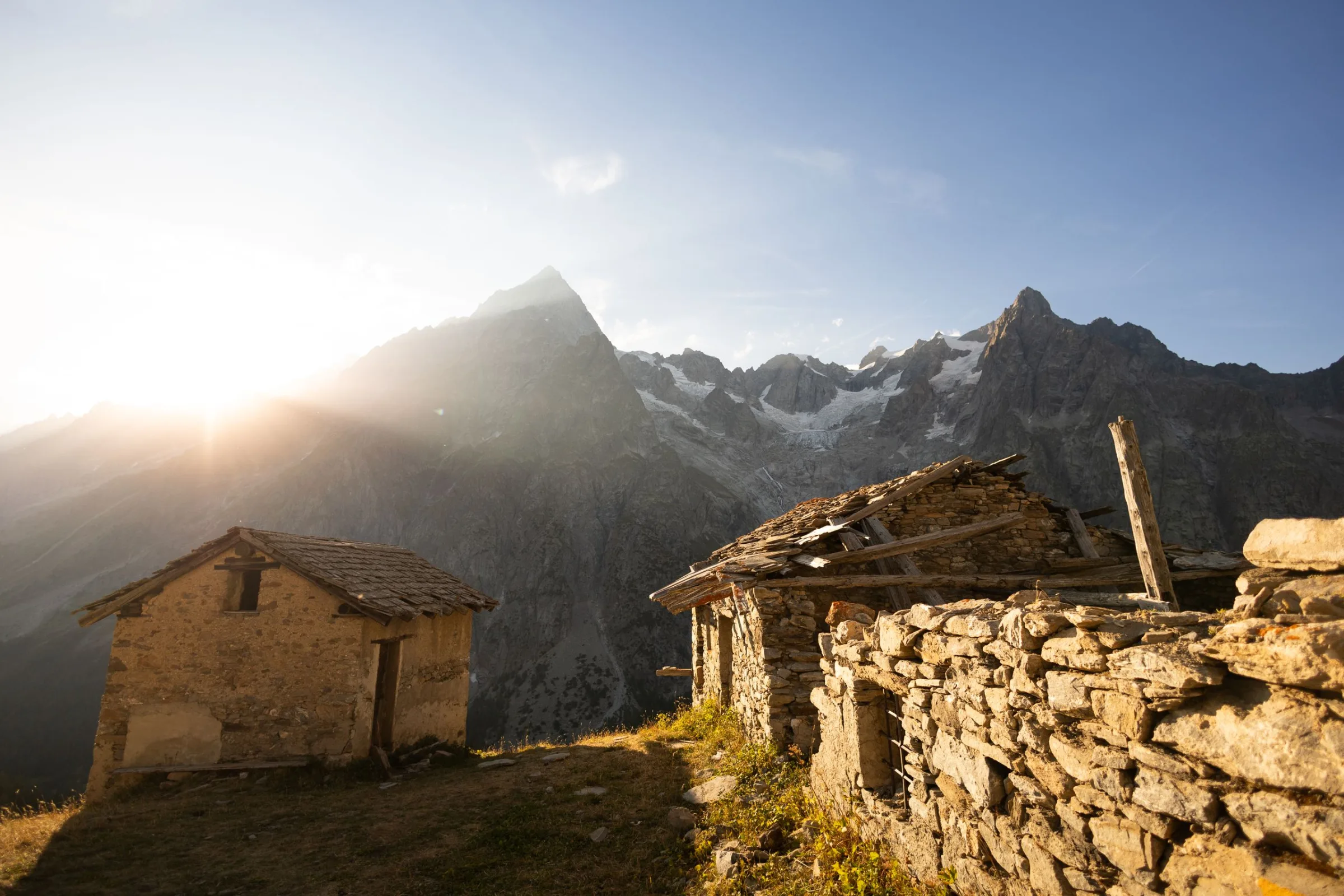
Around a hundred simple stone buildings, mostly maintained by the Mountain Bothies Association, unlocked and free to use.
What you get: a roof, four walls, a wooden sleeping platform, sometimes a fireplace. No beds, no bedding, no water supply beyond a nearby stream, no toilet in most, no booking, no guarantee of space.
The Bothy Code, which is the whole social contract:
Always carry a tent or bivvy as backup. A bothy may be full, occupied by a large group, or unusable.
Norway — DNT. Around 550 cabins, in three types: staffed with meals, self-service with a stocked food larder you pay for by honour system, and unstaffed. The self-service model is remarkable — a locked cabin in the middle of nowhere containing tinned food and a price list, opened with a standard DNT key you buy in advance.
Sweden — STF mountain stations and cabins along the Kungsleden and elsewhere, similar model.
Finland — open wilderness huts (autiotupa) which are free and unlocked, and reservation huts which are booked. The free ones operate on a rule worth knowing: the last party to arrive has priority, and earlier arrivals are expected to move to their tents if it fills.
This article describes activity with real risk. It is an account of our experience, not instruction. Assess your own competence, check conditions on the day, and confirm that your insurance covers what you intend to do — many policies exclude trekking above a set altitude, motorcycling and diving.
Ask what you want the walking to feel like.
Alpine huts give you long days with a light pack, hot food, company and near-certainty. You are never far from help. The cost is money and the loss of spontaneity — the route is fixed by the bookings.
Bothies and open cabins give you self-sufficiency and solitude, and the pack weighs eight kilos more. You need to be able to navigate, cook and, in Scotland, cope with the possibility that the plan fails and you are pitching a tent in weather.
Arrive before dark. Take your boots off. Pack your bag the night before if you are leaving early, so you are not rustling at five in the morning — this is the most common complaint in every hut in Europe. Do not spread your kit across the platform. Say hello to the people already there; in a small shelter, not doing so is conspicuous.
And in unstaffed shelters: leave dry kindling for whoever comes next. It is the one gesture the whole culture runs on.

Editor & co-founder
Elin started Beyond The Geo in 2019 with a notebook of border-crossing times and guesthouse phone numbers. She writes mostly about the North Atlantic and the Arctic, and she is the reason every article on this site carries the month its prices were checked.
Independent travel journal
Long-form travel writing with the practical parts left in — what it costs, when to go, and what the person who lives there thinks about it.