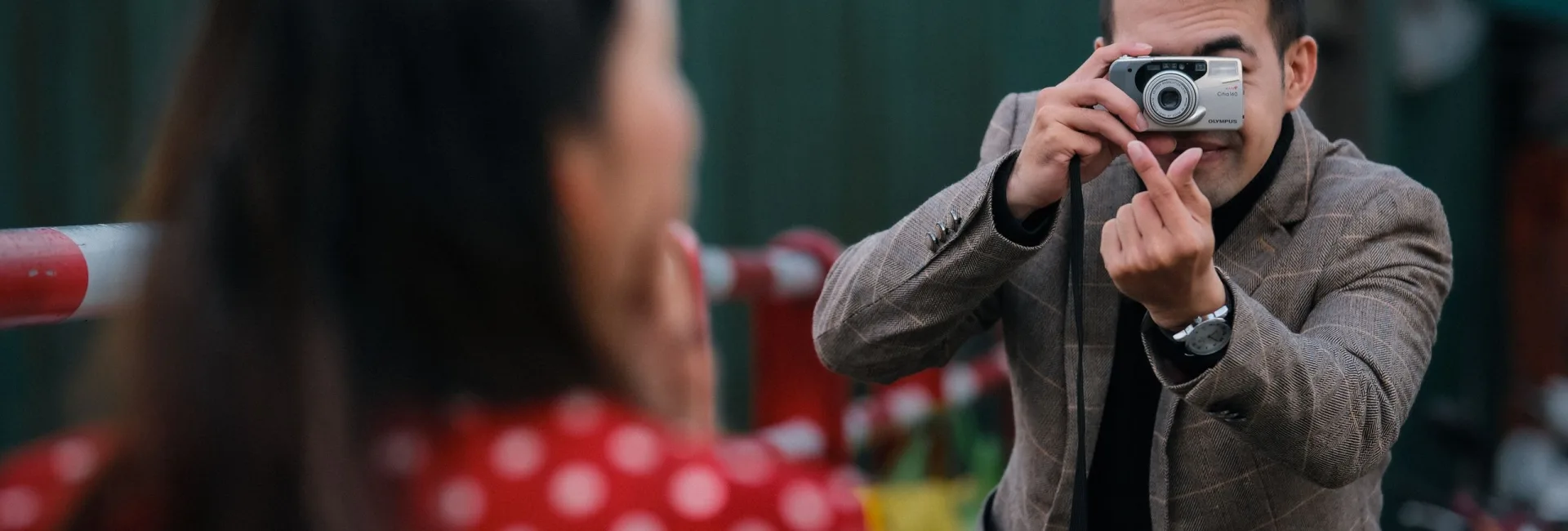
There is a specific kind of travel photograph: an elderly person in traditional dress, weathered face, shot at close range with a long lens, posted with a caption about timeless dignity. It circulates constantly. The subject has almost never been asked, is rarely named, and has no idea the image exists.
I have taken photographs like this. I no longer do, and the reasoning took me some years to arrive at.
A visitor with a camera in a lower-income country is operating with several advantages simultaneously: money, mobility, the ability to leave, control of how the image is captioned, and access to an audience the subject cannot reach.
None of this makes photographing people wrong. It makes the default position — take first, decide later — indefensible, because the person carrying all the cost of a bad decision is not the person making it.
The question is not "am I legally allowed to take this." In most public places you are. The question is what the person in the frame would say if they saw the result and the caption.
Six rules that have survived contact with reality:
This one divides photographers and there is no universal answer, but there are better and worse positions.
Where payment is the local norm — some markets, some tribal areas that have organised around visitor photography — pay the asking rate without haggling. You are in a transaction that the community has established. Refusing to participate while still taking the picture is the worst option.
Where it is not the norm, introducing money changes a human interaction into a commercial one and does so for everyone who follows you. This is how a village becomes a place where children demand a dollar per frame. Buying from someone's stall is usually a better exchange than paying for their face.
Never promise to send the photograph unless you will. This promise is made constantly and kept rarely, and people remember. If you take an email or a WhatsApp number, use it that week.
Not advice, and jurisdiction-specific, but the broad shape:
This article describes activity with real risk. It is an account of our experience, not instruction. Assess your own competence, check conditions on the day, and confirm that your insurance covers what you intend to do — many policies exclude trekking above a set altitude, motorcycling and diving.
An image is completed by its caption, and this is where most of the damage in travel photography is done.
Name people when you can and they agree. Say where and when. Avoid the register of timelessness — "unchanged for centuries," "simple life" — which flattens a working person into a symbol and is almost always factually wrong as well as condescending.
If you do not know the person's name, the honest caption says so.
A short list I hold to:
Someone sleeping rough. Someone praying, from close range. A funeral, uninvited. Anyone visibly unwell. A person's home interior without being invited in. A child alone.
Some of these would make good photographs. That is not the deciding criterion, and treating it as one is what separates a documentarian from a tourist with a long lens.

Photography editor
Yusuf shoots and edits everything visual here, and writes the pieces about how the pictures get made. He is based in Istanbul, works with a single 35mm lens more often than he admits, and has strong opinions about photographing people without asking.
Independent travel journal
Long-form travel writing with the practical parts left in — what it costs, when to go, and what the person who lives there thinks about it.