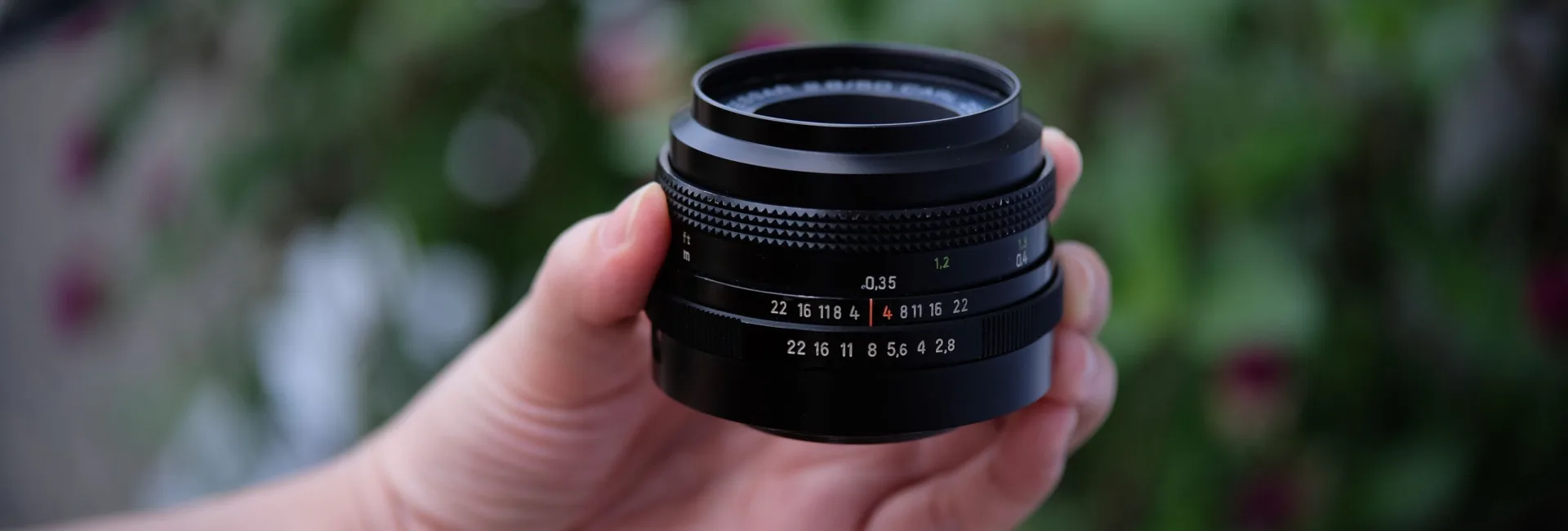
I took one camera body and one 35mm lens to Vietnam for thirty days. No zoom, no second body, no wide, no long. The bag weighed under two kilograms including charger.
This was not a purity exercise. It started because a zoom failed two days before departure and I could not replace it. What it turned into was the most useful month of practice I have had.
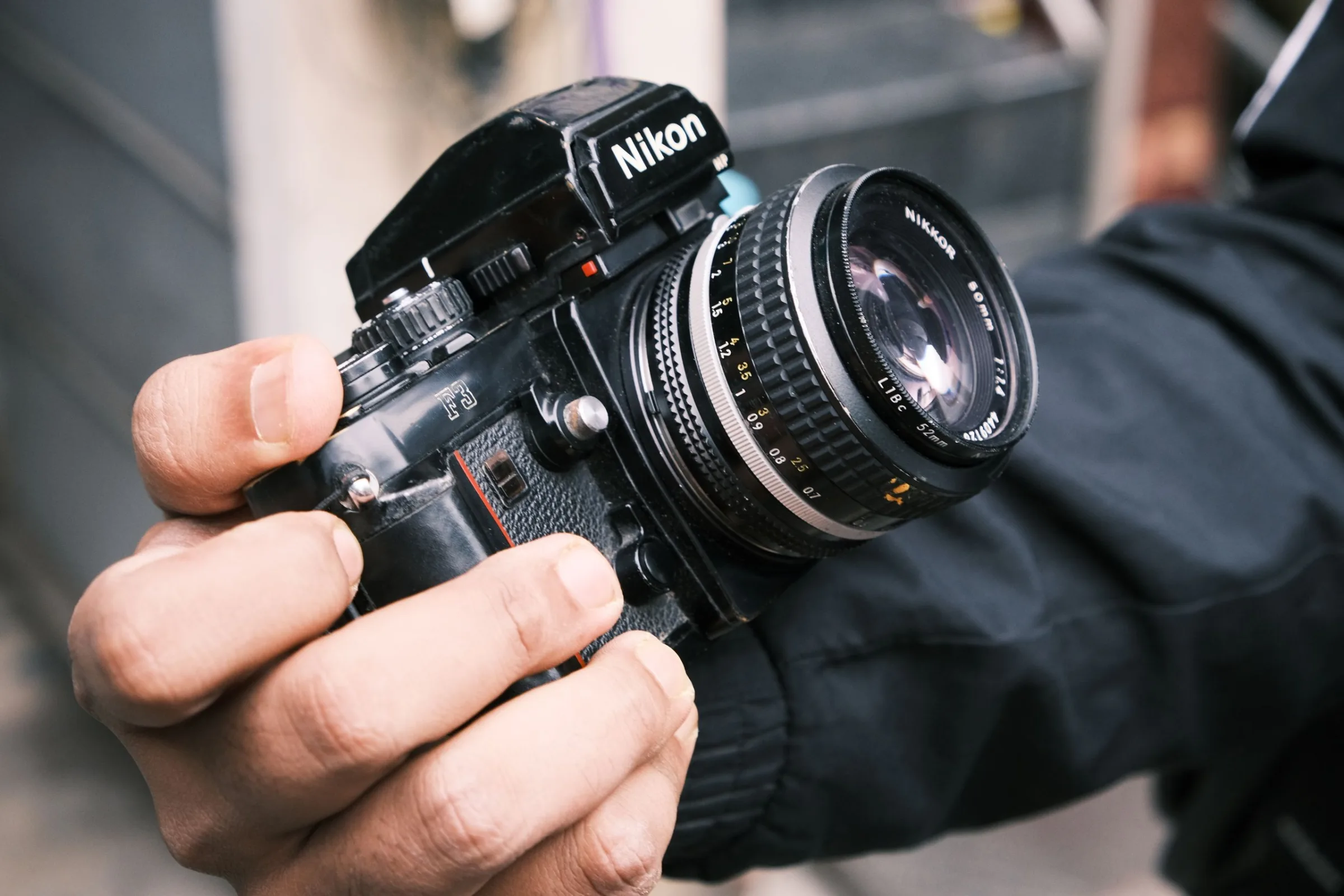
I started moving. With a zoom, framing is a wrist movement. With a prime, framing is a walk. Within three days I was routinely standing four metres from things I would previously have photographed from fifteen, and the pictures were better — not because 35mm is a magic number, but because being close changes what you notice and how people react to you.
I stopped photographing from the road. A zoom lets you shoot a market from across the street. A prime does not, so you go into the market, and then you are in a conversation, and then someone shows you what they are cooking.
A zoom lens lets you photograph a place. A prime lens makes you enter it. The difference shows up in every frame and it is not about optics.
Honesty section, because the one-lens genre is full of people who claim they missed nothing.
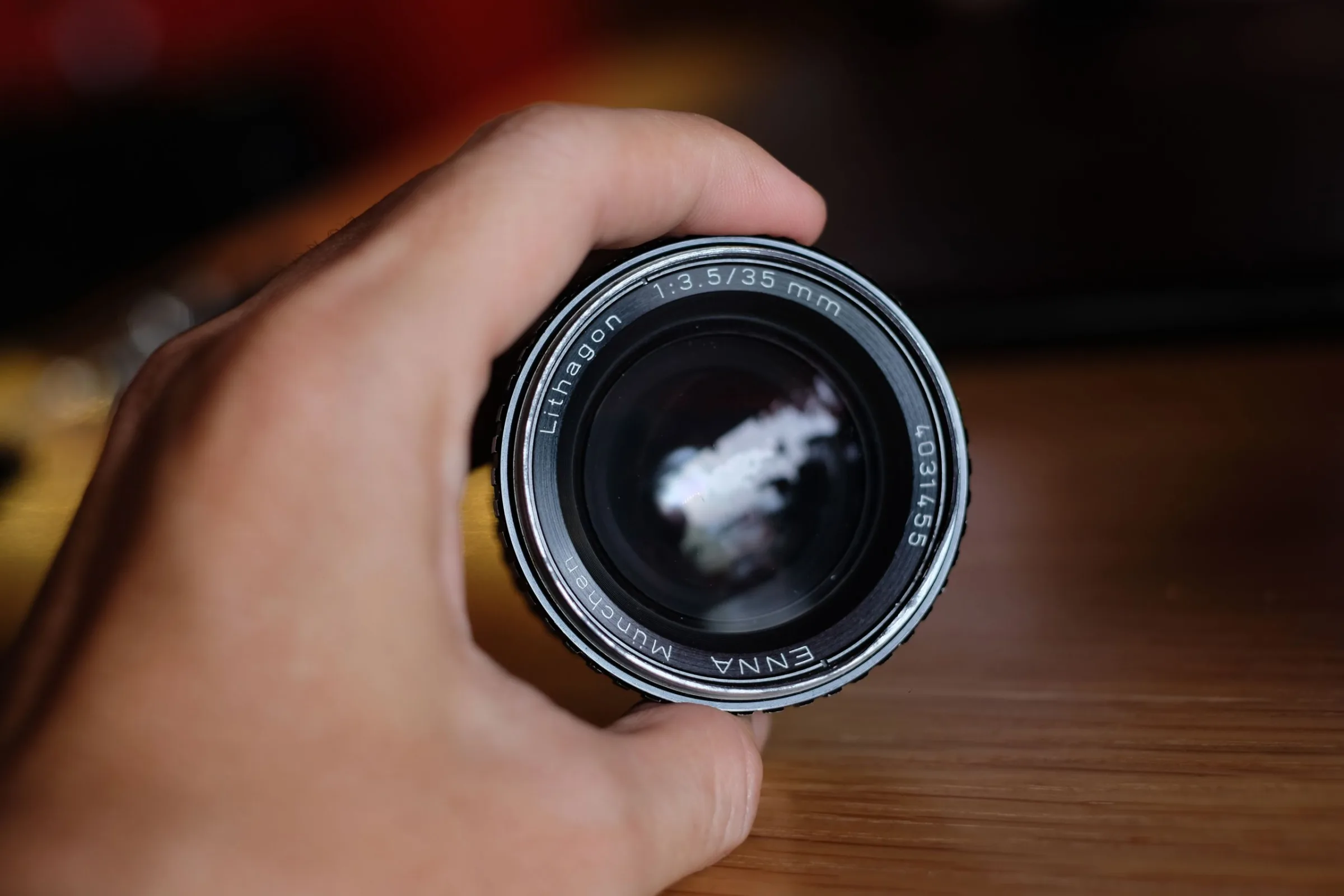
By week two I could pre-visualise the frame without lifting the camera. I knew what 35mm covered from a given distance, precisely, the way you know how far your own arm reaches.
This is the actual argument for a prime and it took about twelve days to arrive. Once it did, the camera stopped being a device I looked through and started being one I pointed. Shooting got much faster, and the pictures of moving things — markets, streets, children — improved sharply because I was no longer composing after raising the camera.
Assuming full-frame equivalents:
35mm — the best general choice. Wide enough for interiors and context, tight enough for a portrait at a sensible distance. This is what I would recommend to almost anyone.
50mm — more natural perspective, better subject separation, and noticeably harder in tight streets and small rooms. A better lens for a month in Paris than a month in Hanoi.
28mm — for people who are already comfortable being very close. Unforgiving; everything in the frame matters because there is a lot of frame.
Not a 24mm or wider, unless you specifically shoot architecture. The distortion at the edges makes casual portraits unkind and the compositions get hard to control.
Everything mentioned here was paid for at the normal rate. Beyond The Geo does not accept press trips, hosted stays or comped meals — see our editorial policy for the full position.
Post-processing. With a fixed focal length, a month of images has a visual consistency that a zoom does not produce. Editing 3,000 frames from one lens took a fraction of the time, because the decisions were the same decisions repeated, and the set held together as a body of work rather than a collection.
This was the unexpected benefit and it is the one I would emphasise to anyone who publishes in sets rather than singles.
I have done it four times since, and I now default to it for any trip under three weeks. For longer or more varied trips I take two primes — 35mm and 85mm — which keeps most of the discipline and removes the worst of the gaps.
The recommendation is not "buy a prime." It is: take the lens you already own, tape the zoom ring, and go out for a week. The cost is nothing and the effect is immediate.

Photography editor
Yusuf shoots and edits everything visual here, and writes the pieces about how the pictures get made. He is based in Istanbul, works with a single 35mm lens more often than he admits, and has strong opinions about photographing people without asking.
Independent travel journal
Long-form travel writing with the practical parts left in — what it costs, when to go, and what the person who lives there thinks about it.