My phone died about ninety minutes out of Kandy. I had no book, the bus had no wifi, and there were seven and a half hours to go.
What follows is a defence of that, which will sound like romanticising an inconvenience. It partly is. It is also the most reliable observation I have about long-distance travel: the journeys I remember in detail are almost all the ones I tried hardest to avoid.
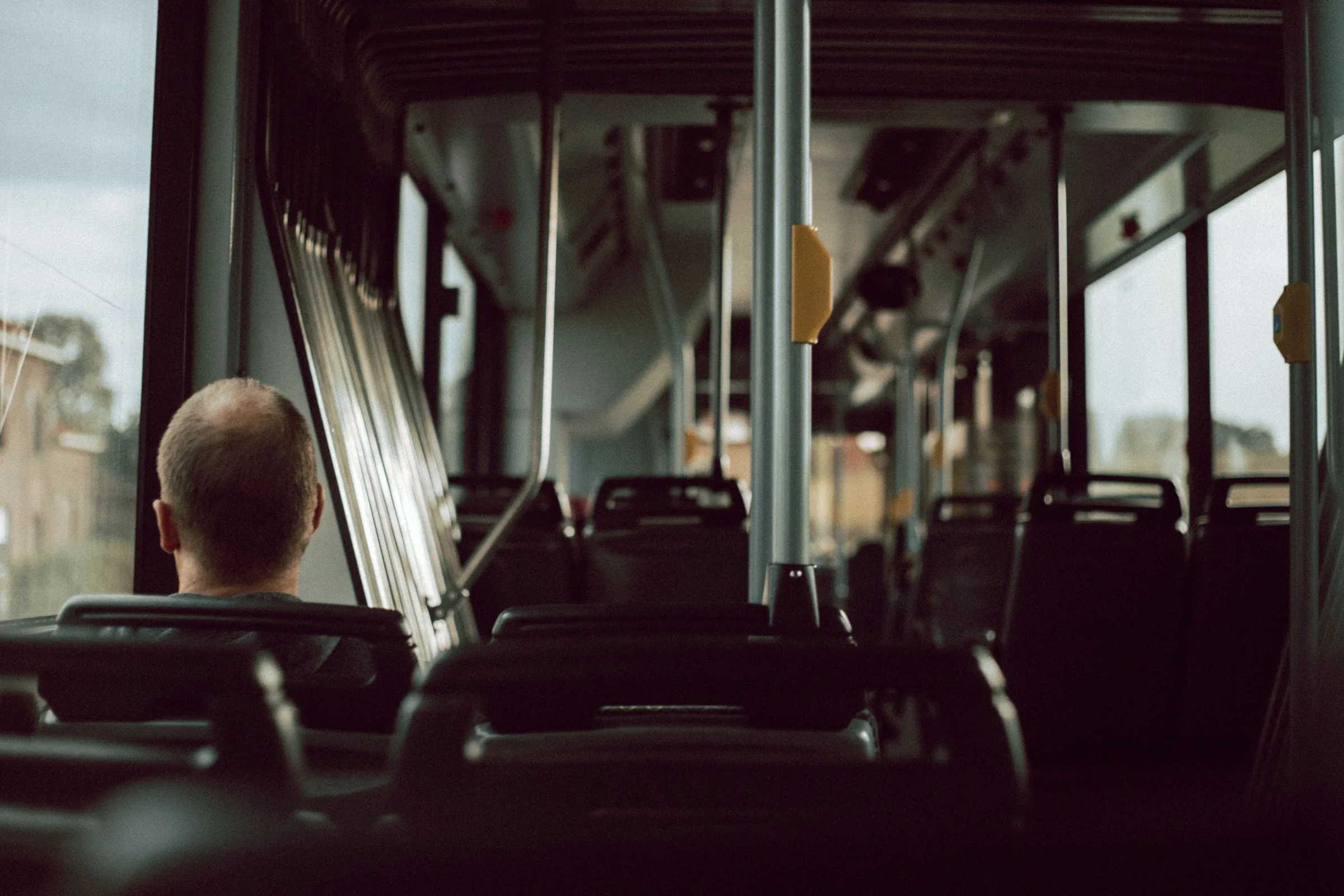
There is a pattern to a long journey without distraction and it is remarkably consistent.
Hours one to two: irritation. Reaching for the phone every few minutes. Recalculating arrival time. Actively resenting the seat.
Hours two to four: boredom, properly. The genuinely unpleasant part. Nothing to do and no acceptance of it. Most people never get past this because on most journeys they don't have to.
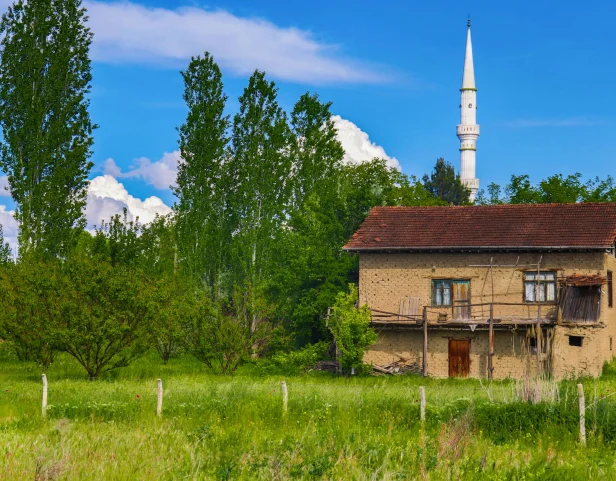
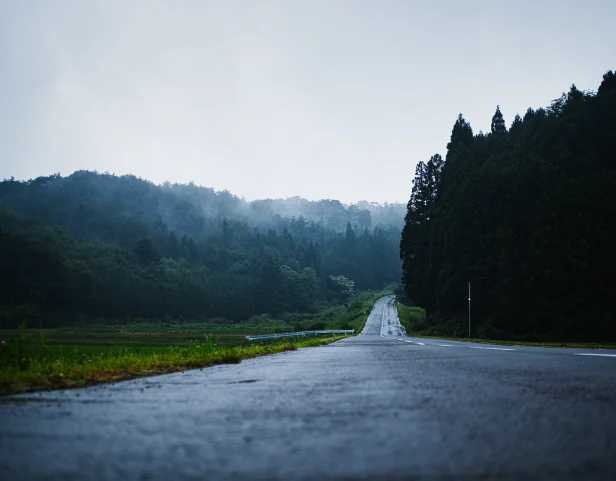
Hour four onward: something shifts. Attention stops looking for a task and starts going outward. You begin to notice the sequence of the landscape rather than individual features — how the roof material changes over sixty kilometres, where the crops change, at what altitude the trees stop.
Four hours is roughly where boredom finishes converting into attention. Almost every distraction we carry is designed to stop us reaching it.
I am not claiming this is profound. I am claiming it is a specific mental state that is now genuinely hard to reach, and that a long bus with a dead phone is one of the last reliable ways in.
The case for overland travel is not spiritual. It is informational.
Flying from Colombo to Jaffna gives you two cities and no idea how they relate. Driving it shows you the transition — Sinhalese Buddhist to Tamil Hindu, wet zone to dry zone, the war damage still visible in the north, the checkpoints, the change in the writing on the shopfronts. The country makes sense as a continuous thing rather than a set of disconnected points.
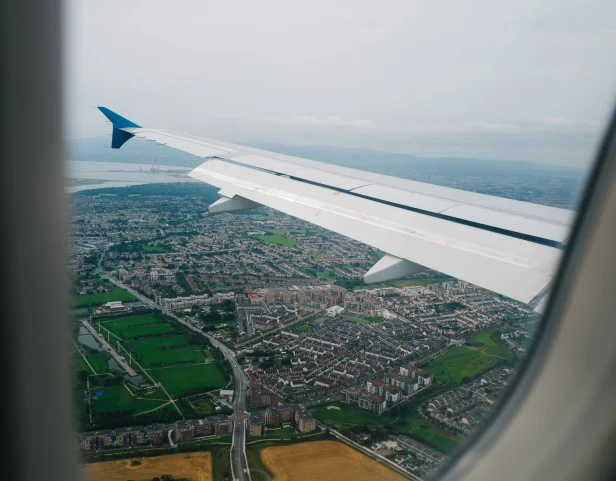
This is the argument, and it holds everywhere. Gradients are invisible from the air.
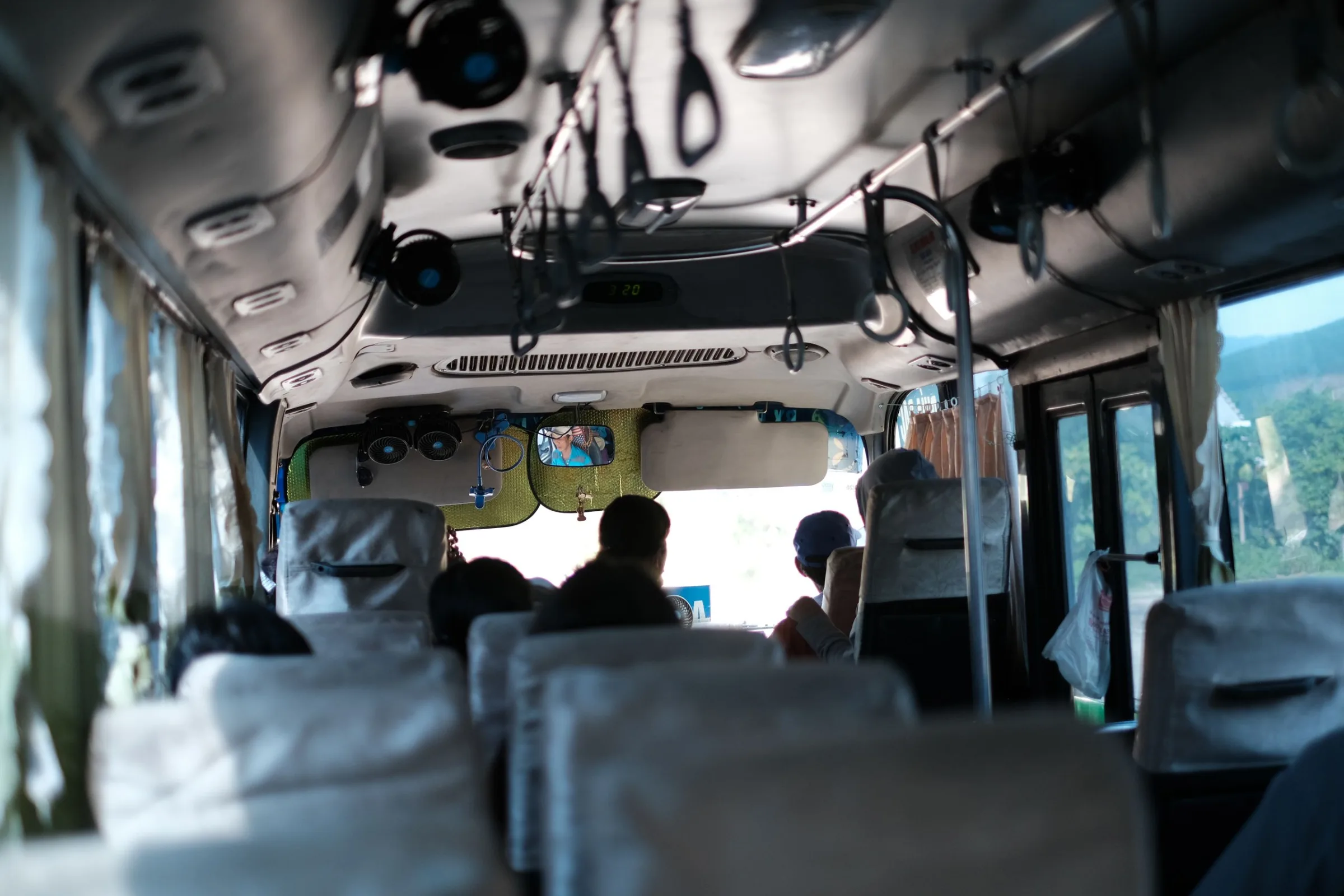
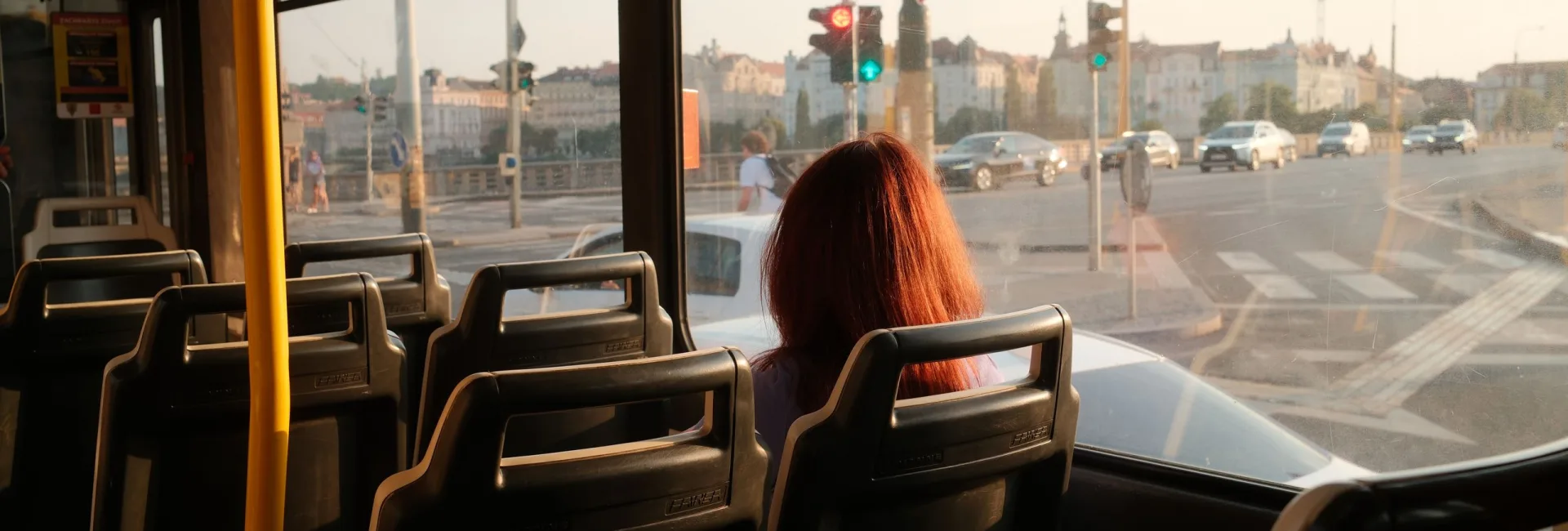
Long-distance buses in most of the world are not tourist infrastructure. They are how people go to see their families, move goods and get to hospital.
What this means in practice: you will be the only foreigner, someone will eventually talk to you, and the conversation will be conducted in a language you do not share and will work anyway. On the Kandy bus a woman shared a bag of dried fish with me and we established, over about forty minutes and no shared vocabulary, that she had four children and thought I should eat more.
The other thing it means: the bus will stop wherever anyone wants to get on. Schedules are advisory. The nine hours may be eleven.
Check the practical details in this article against an official source before you travel. Prices, permits and opening times were verified in the month shown at the top of the page and they move faster than we can re-publish.
Overland is not automatically better and pretending so is dishonest.
Night buses on mountain roads in countries with poor road safety records are a genuine and quantifiable risk, and the cheapest operator is the wrong one to save money on.
Very long journeys with a fixed deadline at the other end mean you spend the whole trip anxious about connections, which defeats the purpose entirely.
Some routes are simply bad — a motorway between two industrial cities shows you nothing that a plane does not, at four times the duration.
The rule I use: overland where the landscape changes, fly where it does not.
The last effect is the one I did not anticipate. Arriving somewhere after nine hours on the ground gives you a sense of distance that a flight erases entirely.
You know how far you have come, because you watched all of it. The place you arrive at feels earned in a way that a place you dropped into does not, and I have never worked out whether that is a real perception or a trick of effort, only that it is consistent.

Writer, environment & policy
Nadia covers the parts of travel that involve regulation, carbon and who actually benefits — night trains, overtourism rules, certification schemes. She trained as an urban planner in Beirut, works from Berlin, and reads the impact assessments so you do not have to.
Independent travel journal
Long-form travel writing with the practical parts left in — what it costs, when to go, and what the person who lives there thinks about it.