The 28 tram is a fine piece of engineering and a poor way to see Lisbon. It runs a route designed in 1914 through streets that now contain, at peak hour, more people photographing the tram than riding it to anywhere. It also passes directly beneath two of the city's better neighbourhoods without giving you a reason to get off.
This walk gets you off. It runs roughly four kilometres, east and downhill, from Graça to the river at Beato, and it takes about five hours if you stop to eat, which you should.
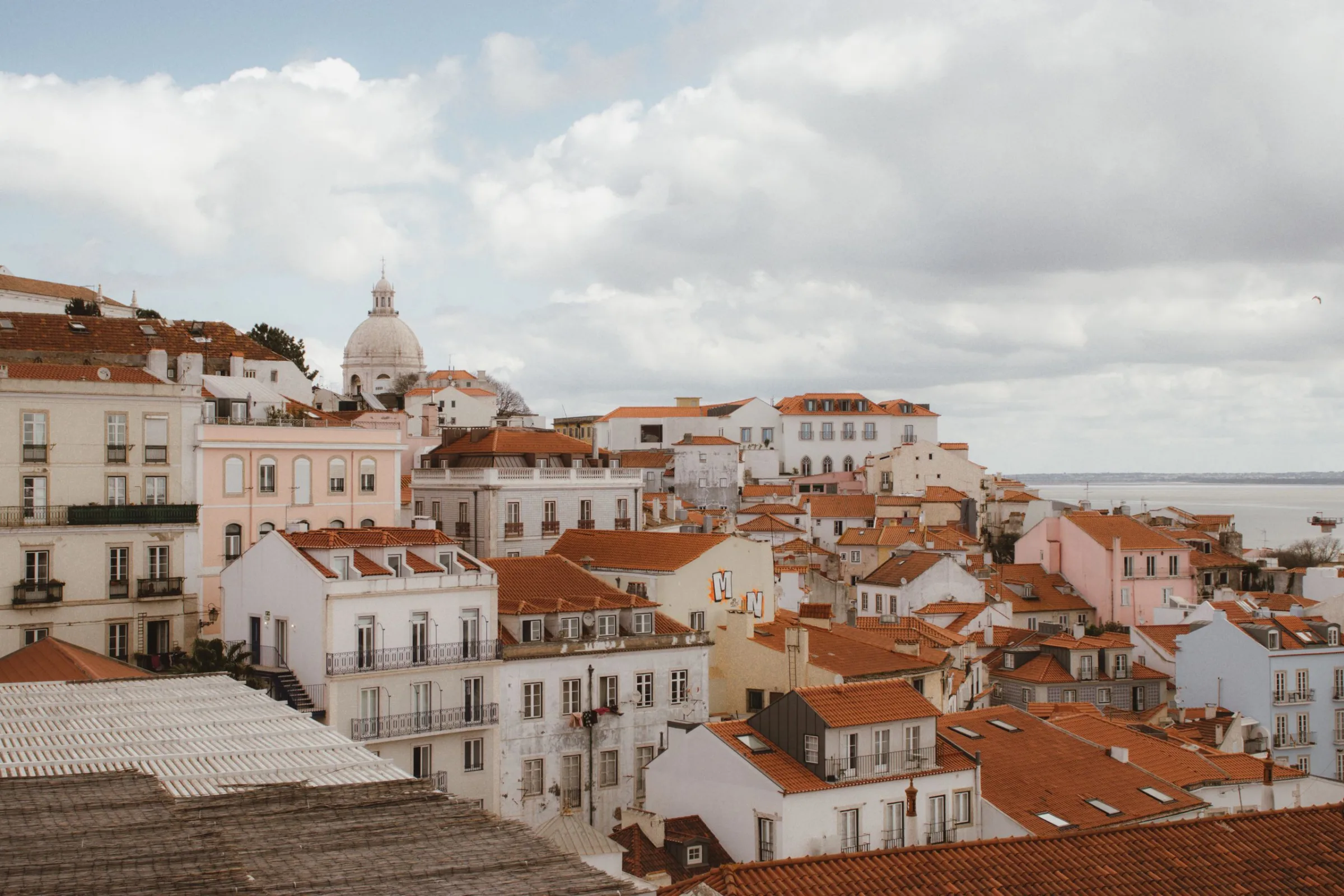
Not the Graça viewpoint — the one above it, five minutes further up, with a small chapel and considerably fewer people. From here the whole city reads: the castle on its hill, the Baixa grid rebuilt after 1755, the 25 de Abril bridge, and the Tagus doing its enormous slow work in the background.
Go at 8am. By eleven the light is flat and there is a queue for the good bench.
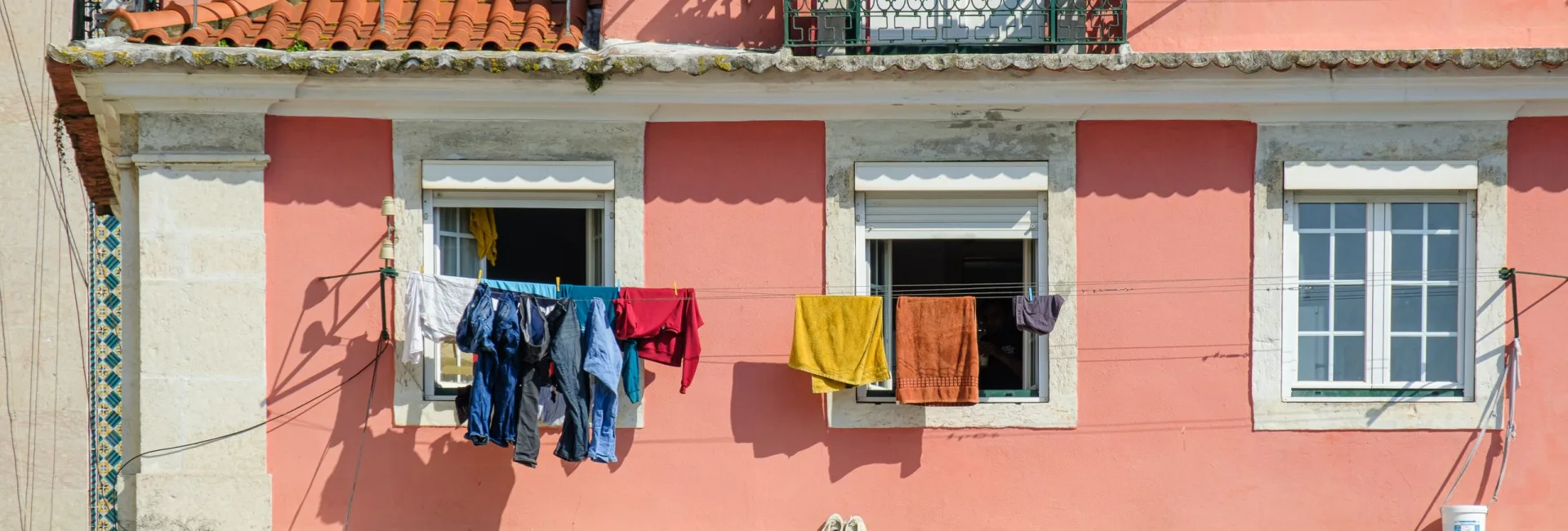
Graça sits on the ridge and has held on to its residents better than Alfama below it, which has been substantially hollowed out by short-term rentals. The test is laundry: where you see washing strung across a street, people still live there.
Three specific things:
Everything mentioned here was paid for at the normal rate. Beyond The Geo does not accept press trips, hosted stays or comped meals — see our editorial policy for the full position.
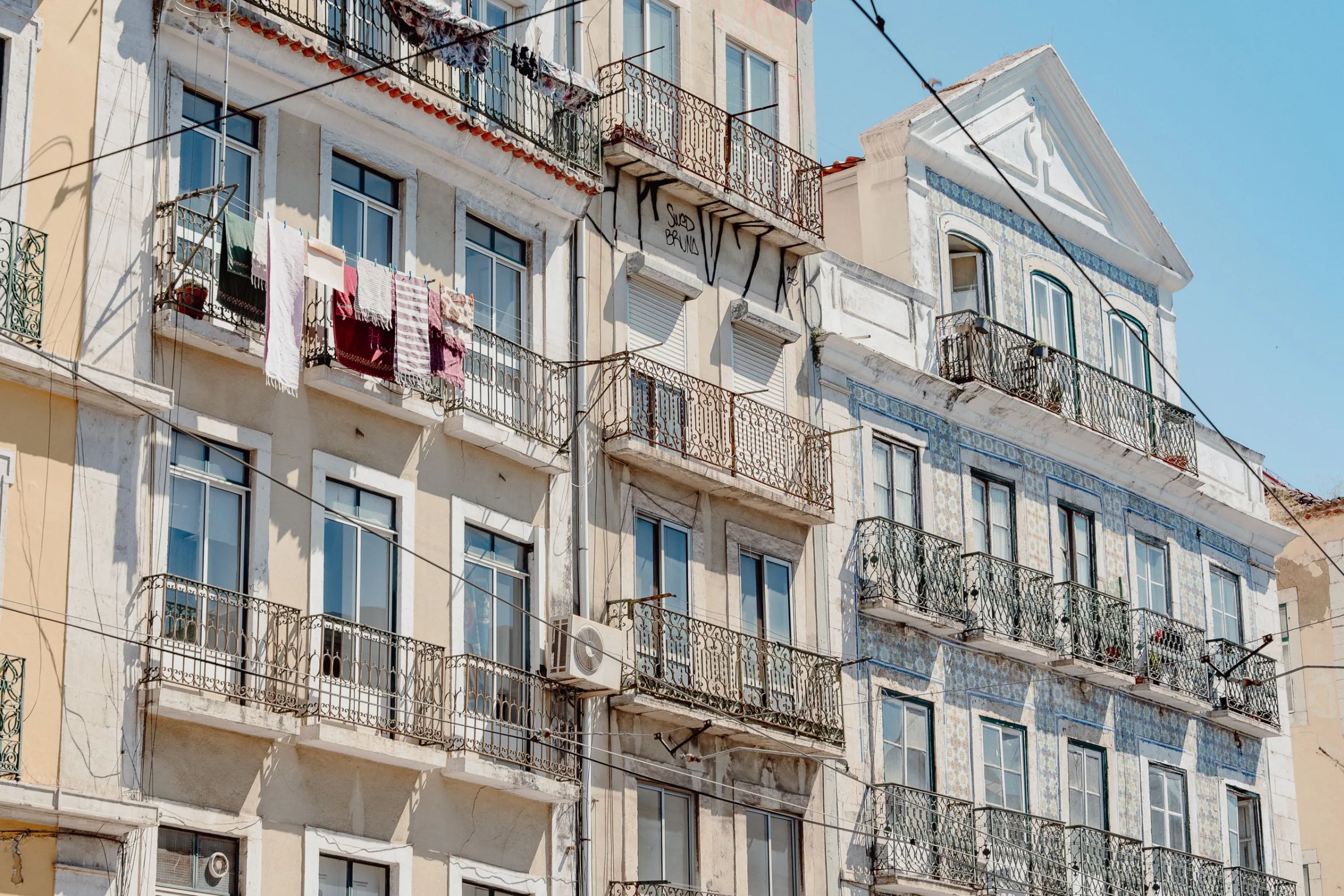
The descent east is the part nobody writes about, which is precisely its recommendation. Steep streets, 1940s apartment blocks with tiled façades in colours that have faded into something better than they started, small squares with one café and four men arguing about football.
Lisbon is a city best understood on the way down. Every route that descends toward the river passes through a century of housing policy, and you can read it in the tilework.
Somewhere around here you should stop for a bica — an espresso — standing at the counter, which costs about seventy cents. Sitting down costs more. This is not a tourist trap; it is a fee structure that applies to everyone and has done for decades.
Beato was Lisbon's industrial waterfront — flour mills, a military manufacturing complex, warehouses. Most of it went quiet in the 1990s. Some of it has come back as a technology campus, some of it is still shut, and the mix is unresolved in a way that makes for interesting walking.
Convento do Beato is a fifteenth-century monastery that spent a century as a flour factory and is now an events venue. You usually cannot get in. It is worth walking around anyway for the sheer strangeness of the layering.
Museu do Azulejo is fifteen minutes further east and is, for my money, the best museum in Lisbon — five centuries of tile, in a former convent, including a 23-metre panorama of the city as it looked before the earthquake destroyed it. Allow two hours. Almost nobody does.
The tasca is the institution to look for: small, family-run, a paper tablecloth, a handwritten menu with four or five things on it, and a television on in the corner. The signals of a good one are a full room at one o'clock and no menu in English.
Order the prato do dia. Expect grilled fish or a pork dish, soup, bread, olives and wine, for eight to twelve euros. Do not expect to choose; the point of the dish of the day is that it is the dish of the day.
From Beato, the 728 bus runs along the river back to the centre, or Santa Apolónia station is a twenty-minute walk west and connects to the metro. Do not walk back up. You have earned the bus.
Best day to do this: Tuesday to Friday. Saturday the markets are busier and better but the walk is slower; Sunday most of the tascas are shut and the whole thing falls apart.

Senior writer, cities
Marcus grew up between Lagos and south London and has spent nine years writing about how cities actually work at street level — who lives where, what changed, and which neighbourhood the guidebook forgot. He walks every route he publishes.

Independent travel journal
Long-form travel writing with the practical parts left in — what it costs, when to go, and what the person who lives there thinks about it.