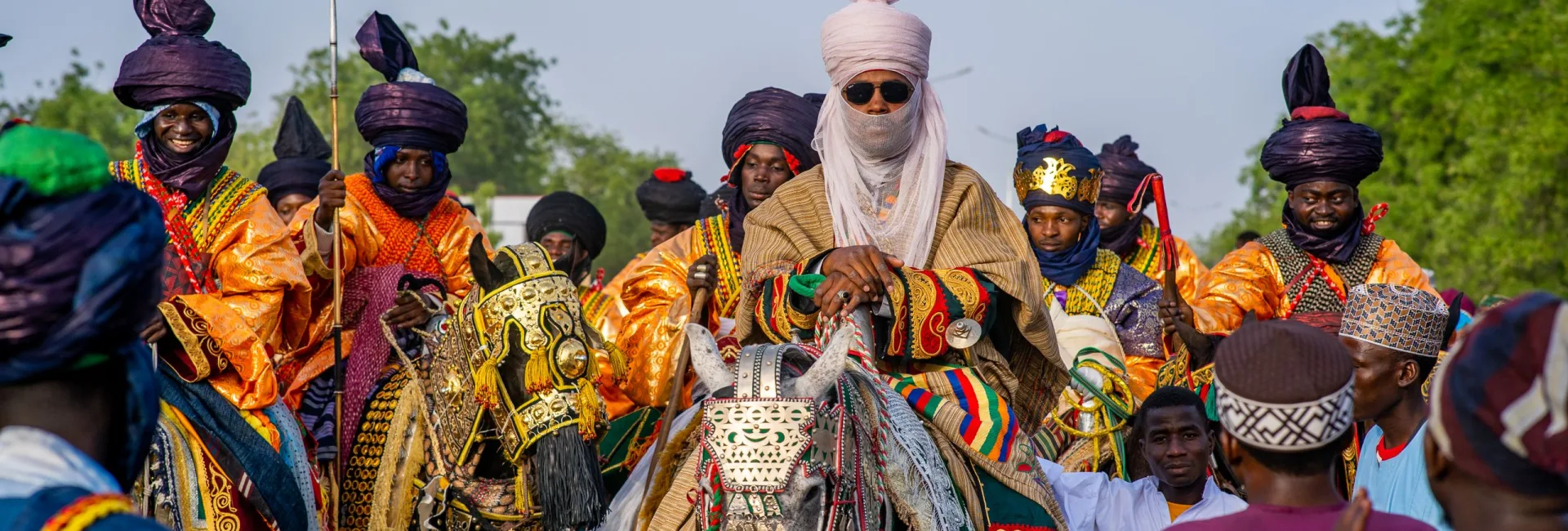
Every destination marketing board publishes a festival calendar. The implicit promise is that these are events staged at a known time, which you can attend, photograph and leave. Some of them are exactly that. Most of them are not.
The distinction that matters is between a festival with an audience and a ritual with participants. Attending the second as though it were the first is the single most common way visitors cause offence without noticing.
Five questions, none of which require you to know anything about the culture in advance:
If it would happen exactly the same way with nobody watching, you are a guest, not an audience member — and guests have different obligations.
Semana Santa, Seville. Processions of brotherhoods — cofradías — carrying floats through the streets over Holy Week. Hundreds of thousands of visitors attend and the city accommodates them. But the nazarenos in the processions are penitents fulfilling a vow, many walking barefoot, and the silence at certain points is observed absolutely. Applause during a saeta is wrong. The city will not tell you this; the people around you will, sharply.
Naadam, Mongolia. Wrestling, archery and horse racing, with a national holiday and a stadium in Ulaanbaatar. The capital event is genuinely a spectacle and is fine to treat as one. The regional Naadams in the countryside, held by sum districts through July, are a different thing — closer to a community sports day, where a visitor is a curiosity and being useful is more welcome than being present.
Day of the Dead, Oaxaca. The most misread on this list. Families spend the night of 1–2 November in cemeteries at the graves of relatives, with food, marigolds and candles. This is a vigil. It has become a heavily visited attraction, and there are now cemeteries where families have asked visitors to stop coming, and others where the community actively welcomes them and has organised access. The two exist a few kilometres apart and the only way to know which is which is to ask locally, on the day.
The honest position is that a camera changes a room, and at a ritual it changes it more.
Working rules that hold up almost everywhere:
Everything mentioned here was paid for at the normal rate. Beyond The Geo does not accept press trips, hosted stays or comped meals — see our editorial policy for the full position.
The best festival experiences I have had came from being given a job. Carrying something, pouring something, holding a rope. This happens more often than people expect and it happens because you were standing nearby, not photographing, looking like you might help.
Two ways to make it likelier: arrive early, when the setup is happening and the labour shortage is real; and go to the second-tier version — the village Naadam rather than the stadium, the Tuesday of Semana Santa rather than the Friday.
Practical realities that catch people out:
Accommodation. For major festivals, book six to twelve months ahead and expect minimum-stay requirements and inflated rates. Seville during Semana Santa runs three to four times normal.
Movement. City centres close. In Seville, whole districts are impassable for hours and there is no way through a procession — you wait or you go around, and going around can be two kilometres.
Dates. Many are set by lunar or liturgical calendars and move each year. Confirm with a local source rather than a two-year-old article, which is how people arrive a week early.

Photography editor
Yusuf shoots and edits everything visual here, and writes the pieces about how the pictures get made. He is based in Istanbul, works with a single 35mm lens more often than he admits, and has strong opinions about photographing people without asking.
Independent travel journal
Long-form travel writing with the practical parts left in — what it costs, when to go, and what the person who lives there thinks about it.