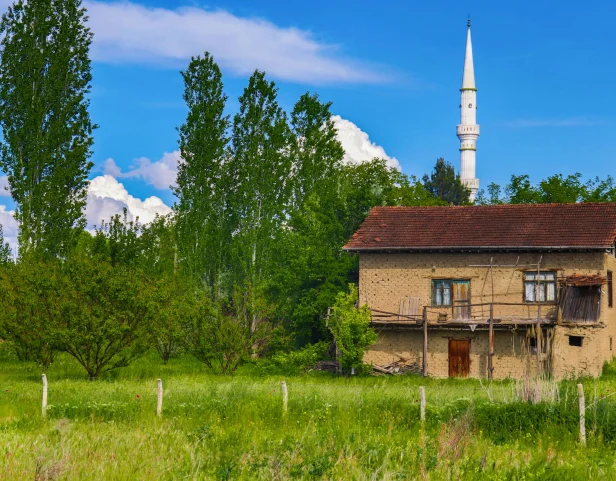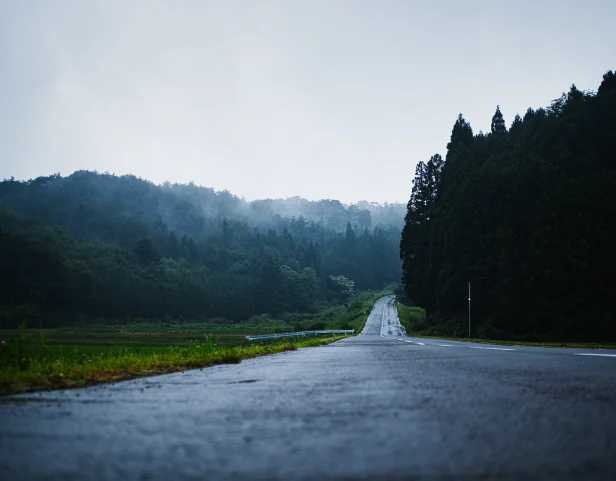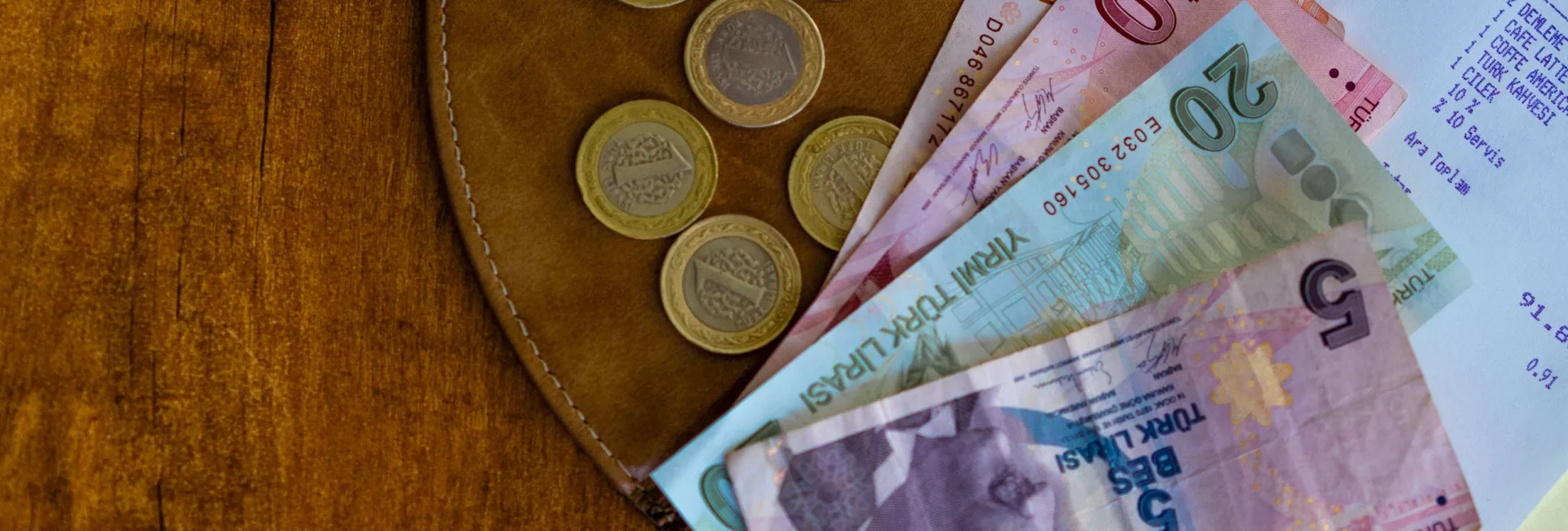
The ATM in Murghab, in the eastern Pamirs of Tajikistan, was out of cash for the four days I was there. The nearest working one was about six hours away by shared jeep. I had budgeted for this by accident rather than foresight, and it was the trip that made me think properly about how money actually works away from a city.
Dynamic currency conversion. It is offered at nearly every foreign ATM and card terminal and it costs most travellers more than every other fee combined.
The mechanism: the machine offers to charge you in your home currency instead of the local one. This sounds convenient. What it actually does is let the ATM operator or merchant set the exchange rate, which is typically 3–7% worse than the network rate — and that margin goes to them, not to your bank.
Always choose the local currency. "Continue without conversion." "Decline conversion." Whatever the wording, take the option that leaves your own bank to do the conversion.
If a screen abroad offers to show you the price in your home currency, the answer is no. Every time, in every country, without exception.
The setup that has worked across about forty countries:
On the cash: in much of Central Asia, Africa and South America, USD notes are examined closely and pre-2009 series, torn or marked notes are refused or discounted. This surprises people every time.
Before leaving a town with a working ATM, the question is not "how much do I need" but "how much do I need, plus the cost of getting back here if something goes wrong."
My rule after Murghab: carry enough for the planned days, plus 50%, plus the fare for the longest single journey back to a bank town. In practice this is rarely more than an extra hundred euros and it converts a potential crisis into an inconvenience.
Things that fail in rural areas, in rough order of likelihood: the ATM is empty; the ATM is offline because the network is down; the ATM only accepts domestic cards; there is no ATM and the guidebook is out of date; the bank is closed for a holiday you did not know about.
Card acceptance has expanded enormously, but the pattern is uneven in ways that do not follow income levels.
Nearly cashless: the Nordics, the Netherlands, South Korea, urban China (though via QR apps rather than cards), Kenya via M-Pesa. In Sweden many small businesses no longer accept cash at all.
Cash-dominant: Japan outside major chains — persistently, despite expectations; Germany, especially small restaurants and bakeries; most of rural Southeast Asia, Central Asia and sub-Saharan Africa; anywhere with a market economy.
Japan is the one that catches people. It is a high-income, high-technology country where a good restaurant may be cash only and where convenience-store ATMs — 7-Eleven and Japan Post — are the reliable option for foreign cards, not bank branches.
Check the practical details in this article against an official source before you travel. Prices, permits and opening times were verified in the month shown at the top of the page and they move faster than we can re-publish.
Four separate charges can apply to one withdrawal and they are levied by different parties:
Airport exchange desks deserve a specific warning: rates there are the worst you will see anywhere, routinely 8–12% off the mid-market rate. Withdraw from an ATM in the arrivals hall instead, or bring enough local cash for the first day.
Notify your bank of travel dates if it still requires that — many no longer do. Check the daily withdrawal limit and raise it if needed, because limits are set in your home currency and a limit that is generous in euros may be two withdrawals' worth in a weak currency.
Memorise your PIN as digits, not as a pattern — foreign keypads are sometimes laid out differently, and some do not have letters at all.
And take a photograph of both sides of every card, stored somewhere you can reach without the card. The number you need to call when one is swallowed is on the back of the card that just got swallowed.

Writer, gear & logistics
Tom tests things until they break and then reports how long that took. Packing systems, boots, cold-weather kit, missed connections and the unglamorous mechanics of getting from one place to another. Nine years on the same duffel bag and counting.

Independent travel journal
Long-form travel writing with the practical parts left in — what it costs, when to go, and what the person who lives there thinks about it.