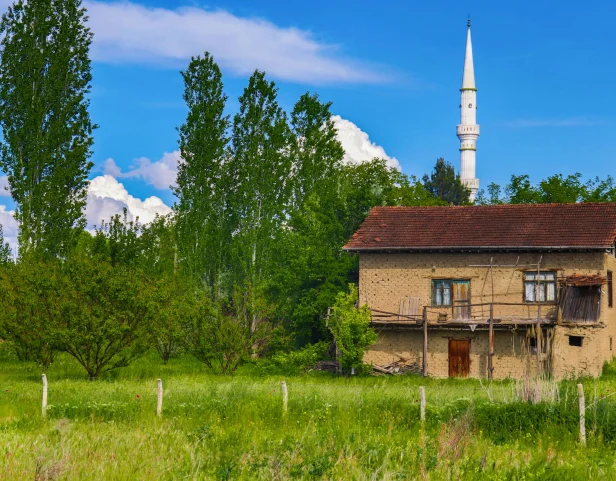
Golden hour is the hour after sunrise and before sunset, when light is warm and low and everything is flattered. It is genuinely beautiful and it is also, at this point, the most photographed lighting condition in human history.
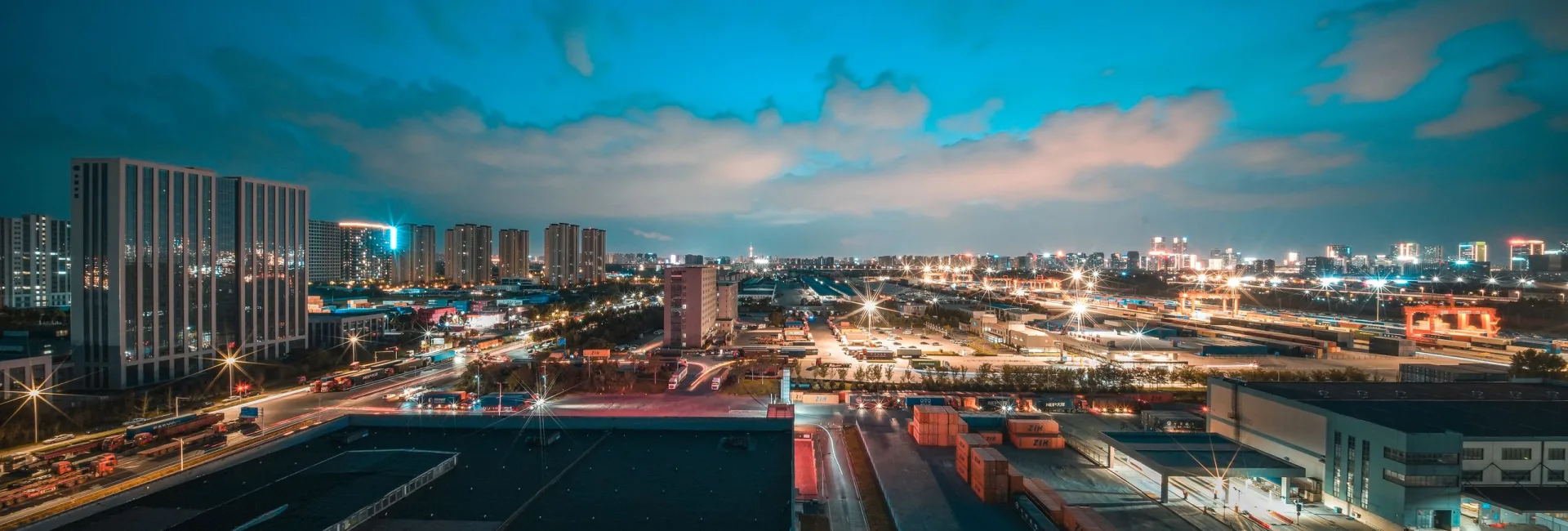
Blue hour is the twenty to forty minutes after the sun has gone below the horizon, when the sky is still lit by scattered light but the sun itself is gone. For anything with artificial light in it — cities, harbours, villages, interiors seen from outside — it is the better window, and it is not close.
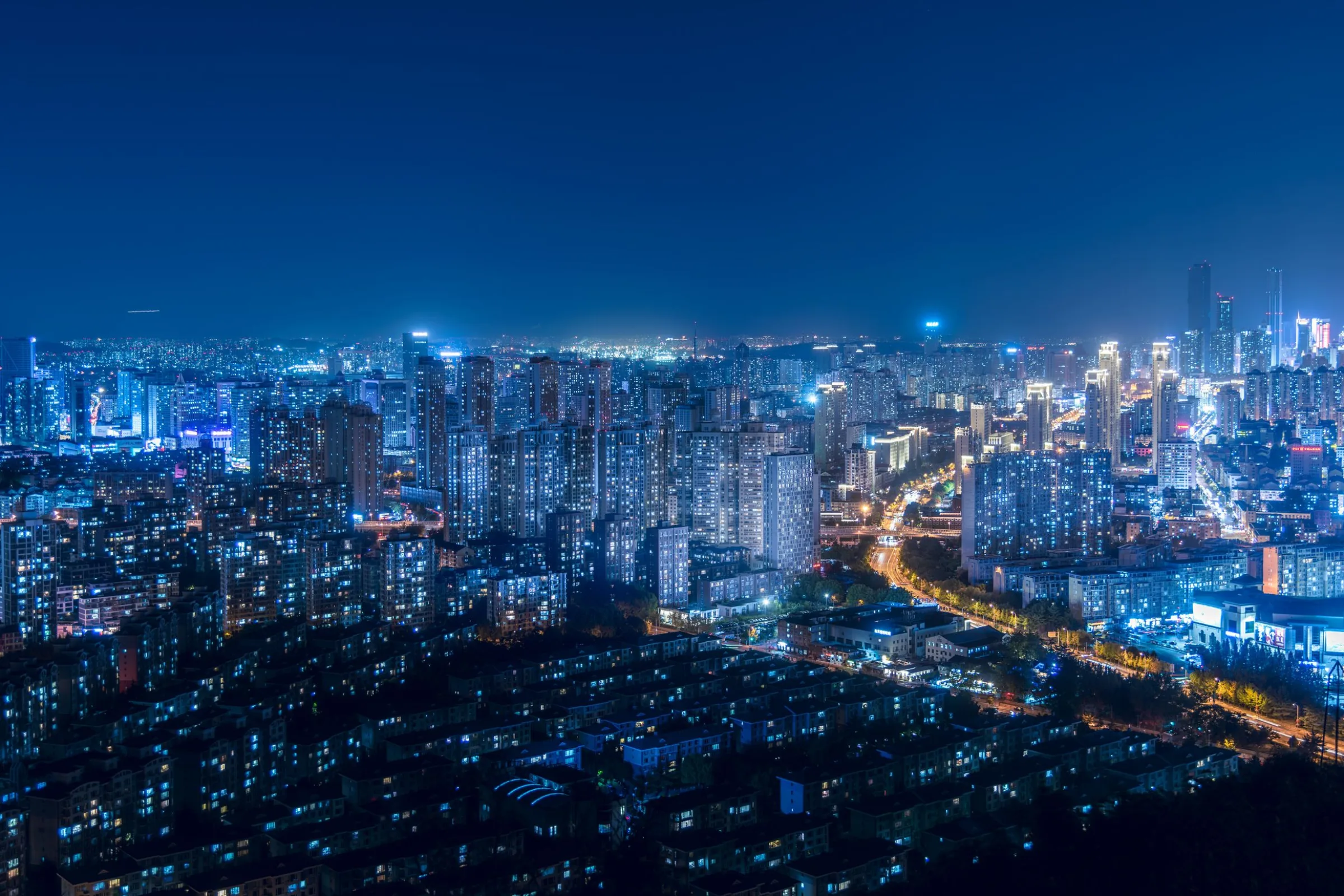
The technical reason is dynamic range.
At midday, a lit window is invisible against a bright wall. At full night, that window is a blown-out white rectangle in a black frame — the difference between the interior light and the sky is six or seven stops, more than a sensor can hold.
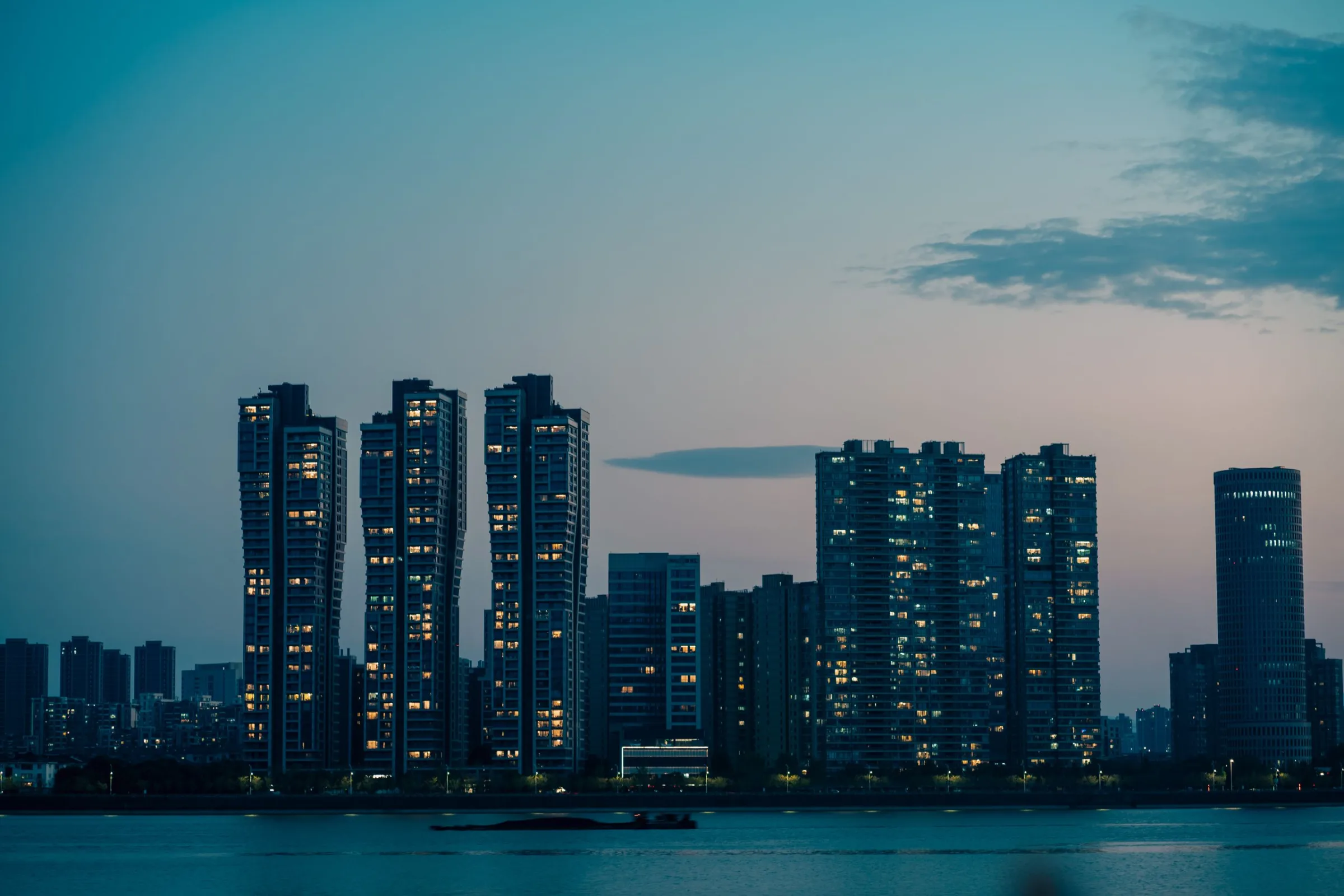
During blue hour, for a period of maybe fifteen minutes, the ambient sky level and the artificial light level pass through each other. Both are exposable in a single frame. You get lit windows and a sky with colour and detail in it, and the buildings retain form instead of becoming silhouettes.
Blue hour is not a mood. It is the brief period when the two light sources in an urban scene are within a stop or two of each other, which is the only time both can be photographed properly at once.
The blue comes from Rayleigh scattering plus the Chappuis absorption band — ozone in the upper atmosphere absorbs in the orange-red part of the spectrum, and when the sun is below the horizon the light reaching you has passed through enough of it that what remains is strongly blue.
This is why the blue of twilight is a different, deeper blue from midday sky, and why it does not appear in the shadows at noon.
Blue hour is not an hour. Its length depends on latitude and season:
The technical definition worth using is civil twilight: sun between 0° and −6° below the horizon. Most planning apps give you this directly. The sweet spot for city work is roughly −4° to −6°.
Practically: be set up and composed fifteen minutes before sunset for the evening window. The best light will arrive ten to twenty minutes after the sun has gone, and by then you should be adjusting exposure, not looking for a tripod spot.
Tripod. Non-negotiable. Exposures run from a quarter-second to thirty seconds.
Base ISO. You have time; use it. ISO 100, aperture f/8 to f/11, and let the shutter be as long as it needs.
Manual white balance. Auto white balance will fight the blue and neutralise the exact thing you came for. Set it to daylight — around 5,200K — and leave it. If you shoot raw you can revisit this, but seeing it correctly on the back of the camera changes what you compose.
Expose for the highlights. The lit windows and streetlights are the fragile part. Blue-hour sky has enormous latitude and lifts cleanly; a blown light source does not come back.
Bracket if you must, but check first. Modern sensors usually hold the whole scene in one frame during the balance window. HDR blending during blue hour is generally over-application.
Check the practical details in this article against an official source before you travel. Prices, permits and opening times were verified in the month shown at the top of the page and they move faster than we can re-publish.
The subject matter that gains most:
Morning blue hour is the same phenomenon in reverse and it has two advantages: streets are empty, and lights are still on from the night rather than switching on gradually.
The cost is that you have to be in position in the dark, having decided your composition the previous day. This is why almost nobody does it, and why the results look different from everyone else's.

Photography editor
Yusuf shoots and edits everything visual here, and writes the pieces about how the pictures get made. He is based in Istanbul, works with a single 35mm lens more often than he admits, and has strong opinions about photographing people without asking.
Independent travel journal
Long-form travel writing with the practical parts left in — what it costs, when to go, and what the person who lives there thinks about it.